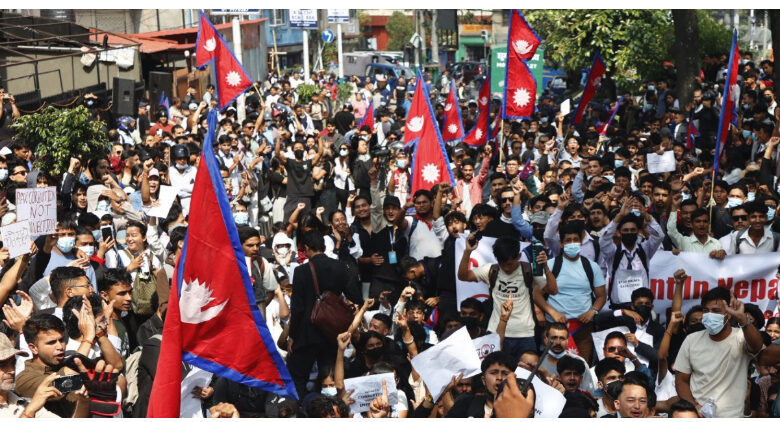
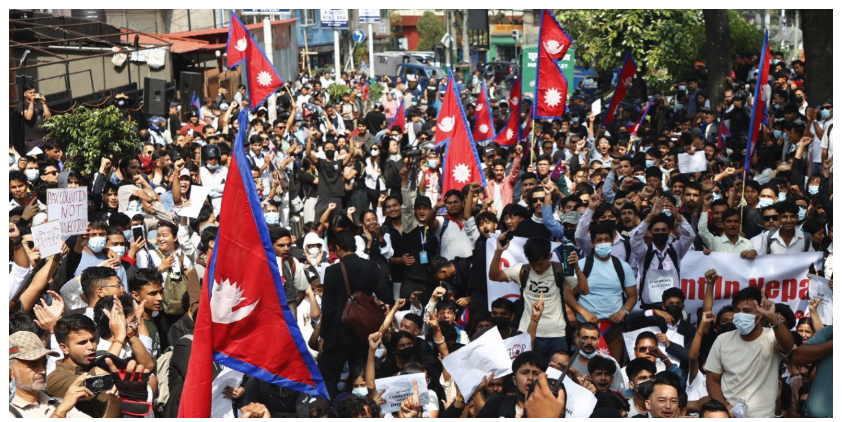
NEPAL, October 29, 2025 (VIF India, by Prof. Hari Bansh Jha): The Gen-Z movement of September 8–9, 2025, marked a defining moment in Nepal’s modern political history. It laid bare the deep-seated corruption, nepotism and bureaucratic inertia that had eroded public confidence in the executive, judiciary and parliament alike. What began as a peaceful expression of public frustration soon evolved into one of the most intense political confrontations the country had witnessed in recent years. The demonstrators demanded the end of corrupt practices and the restoration of social media platforms, which had become vital instruments for youth-led political engagement and awareness. Yet, the situation spiraled out of control when security forces allegedly opened fire near the parliament building in Kathmandu, transforming a peaceful gathering into a violent confrontation.
Within less than two days, Nepal’s political order was upended. The prime minister resigned, ministers fled their posts, and the machinery of the state virtually collapsed. In the chaos that followed, seventy-six lives were lost, hundreds were injured, and many of the nation’s most symbolic institutions were set ablaze. The Parliament building, Supreme Court, Prime Minister’s Office and even the Presidential Palace suffered extensive damage. Across the country, government offices, police stations, commercial centers and private homes were looted or destroyed. Several prisons were breached, allowing thousands of inmates to escape, and large quantities of firearms were stolen. For a brief period, the nation hovered on the brink of anarchy. After two days of turmoil, the army re-established partial order, but the consequences were devastating.
For more of this remarkably comprehensive report, see source.
https://vifindia.org/2025/october/29/Post-Gen-Z-Movement-in-Nepal-Challenges-and-Unfulfilled-Promises

A daily summary of world news for Hindus and non-Hindus alike