INDIA, January 29, 2026 (Daily Pioneer by Rahul Kaushik): The article argues that opposition to redeveloping Hindu sacred spaces follows a recurring historical pattern: projects meant to improve temples and pilgrimage sites are initially condemned as betrayals of tradition, only to be revered generations later as timeless heritage. Using the example of Ahilyabai Holkar’s 18th-century works at Kashi—now universally celebrated but fiercely resisted in her time—the author shows that Hindu sacred geography has never been static. The belief that Kashi or other holy sites existed in an untouched, pristine form is presented as historically false. Hindu civilisation, the article contends, has always reshaped its sacred spaces to meet changing needs, and resistance today reflects diminished confidence rather than genuine fidelity to tradition.
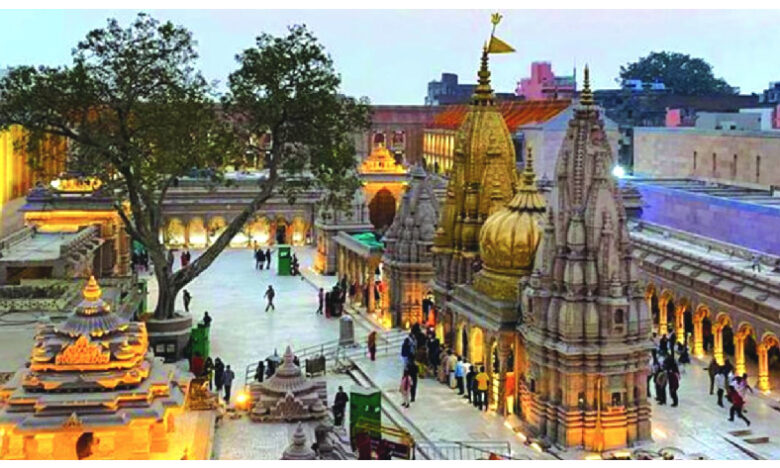
The piece further claims that modern opposition is rooted in romanticising decay and equating discomfort with devotion, even as critics readily accept development elsewhere. This stagnation, the author warns, has real consequences: unsafe, congested shrines alienate families and younger generations, gradually weakening cultural attachment. Projects like the Kashi Vishwanath Dham Corridor are framed as restoring dignity, visibility, and safety, not undermining faith. Drawing comparisons with other religions that proudly modernise their sacred centres, the article concludes that Hinduism survives through continuity and adaptation, not fossilisation—and that sacred spaces must be allowed to grow if the civilisation they represent is to endure.
Read the full essay at source.
https://dailypioneer.com/news/when-neglect-is-mistaken-for-tradition-the-real-debate-over-kashi

A daily summary of world news for Hindus and non-Hindus alike