INDIA, FEBRUARY 19, 2026 (BBC): India’s philanthropy story is usually told from the top down. It features corporate social responsibility (CSR) budgets, billionaire pledges and splashy foundations. But a new report argues that the real engine of Indian generosity is far more prosaic – and vastly larger. The How India Gives 2025 report, produced by the Centre for Social Impact and Philanthropy (CSIP) at Ashoka University, challenges the conventional narrative that organized, institutional money dominates the country’s giving landscape. Instead, it points to a quieter colossus: households. According to the report, India’s total household giving is estimated at US$ 6.5 billion annually, including cash, in-kind contributions and volunteering. About 68% of respondents report giving in some form. Of this, 48% is in kind – such as food, clothing or other household goods – followed by cash donations (44%) and volunteering (30%) with non-profits, religious institutions or community groups.
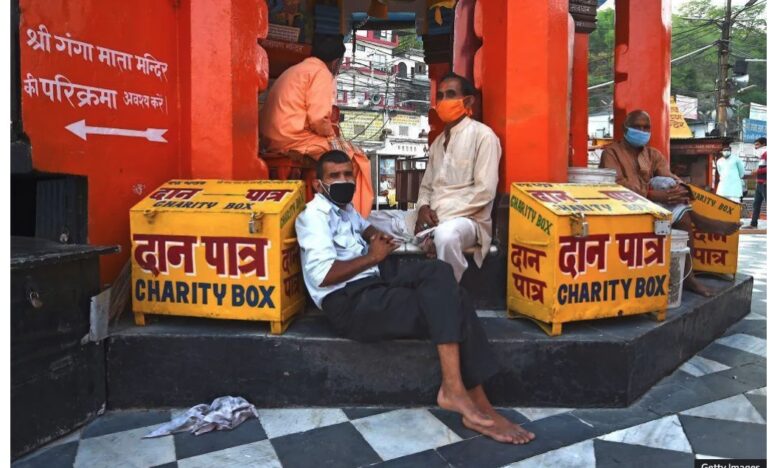
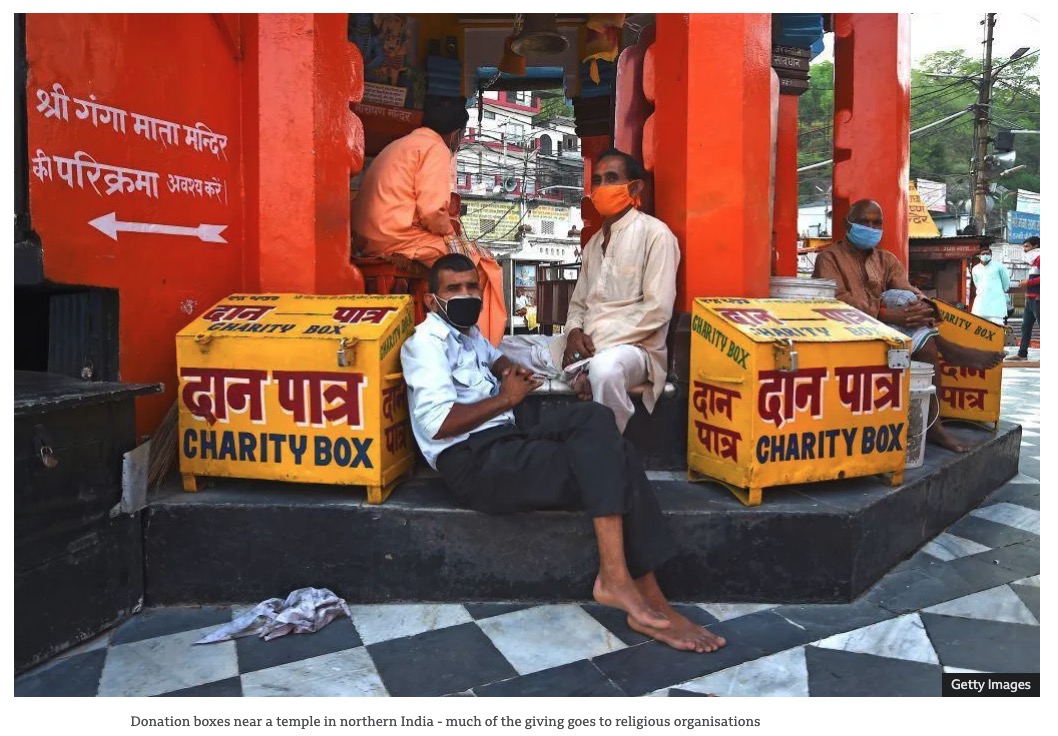
“India is a very generous country. Our findings suggest that ordinary households play a much larger role than is commonly acknowledged. Generosity appears widespread and culturally embedded,” Jinny Uppal, head of Centre for Social Impact and Philanthropy at Ashoka University, told the BBC. The survey looks at “everyday giving” which includes both direct, personal help – to beggars, family or friends, often seen as charity – and donations to organised, non-religious institutions, which are typically described as philanthropy. Roughly 40–45% of giving flows to religious organizations, with a comparable share directed to beggars and destitute people, especially in urban areas. In rural India, religious institutions take the lead. “We asked behavioural questions about motivation. For more than 90% of respondents, the underlying driver is a sense of religious duty – a moral obligation that shapes and sustains their giving,” says Krishanu Chakraborty, head of research at the Centre for Social Impact and Philanthropy at Ashoka University.
More at source.
https://www.bbc.com/news/articles/c2lrjlkpw2eo

A daily summary of world news for Hindus and non-Hindus alike