
Ayurvedic Postpartum Wisdom

As maternal health challenges rise worldwide, traditional medicine offers a timeless way to restore the health and well-being of both mother and child
The first forty days dictate the first forty years. This wisdom comes from ayurvedic teachings on pregnancy and postpartum care. The postpartum period, known as sutika kala, is a sacred time dedicated to healing, recovery, rest and the replenishment of energy. Poor outcomes for mothers and babies in countries around the world are evidence that we have become far removed from this timeless wisdom. High cesarean rates, pregnancy complications, birth trauma and postpartum mood disorders run rampant.
Meanwhile, we are losing the indigenous practices passed down from our mothers and grandmothers that teach us how to conceive, carry, birth and recover after having a baby—practices that are good not only for the mother and baby but for humanity at large.
Society has cast the mother-baby dyad aside, often caring only about birth rates but not actual outcomes. The physical, emotional, mental and spiritual states of both mother and baby matter significantly. How babies are born matters. Medical providers in India and the West discount and minimize the ayurvedic approach from conception to postpartum, but our outcomes dont paint a positive picture.
In my ayurvedic course on Pregnancy Care, Postpartum and Baby Massage, I was astounded by the amount of care an expectant mother needs on a daily basis and, after birth, the care she and her baby need for at least 41 days. I realized how little of this is truly practiced today. I have furthered my education to include both Western and ayurvedic practices so that the art and science of these powerful tools can be communicated.
In ayurveda, pregnancy care is called garbhini paricharya. Garbhini, meaning pregnant woman, derives from garbha, meaning womb, while paricharya means care or regimen. This includes guidance on what to eat, when to receive a massage, how to protect your physical, emotional and mental health, what to do to address or prevent ailments and even what to wear. Your unique dosha also impacts your experience from conception through the postpartum period, but most of us are unaware of how it does so.
Rasayana, which translates as path of essence, is a broad ayurvedic approach that includes herbs, formulations and practices intended to nourish the tissues and prevent disease. It offers natural ways to address reflux, constipation, dryness and other common pregnancy symptoms with herbs and medicated oils known as tailam. While some of these treatments require consultation with a trained ayurvedic doctor, other practices can be implemented by many expectant mothers.
Ayurveda emphasizes three pillars of a healthy pregnancy: diet, lifestyle and mental well-being. A nourishing, sattvic diet evolves with each stage of pregnancy and is tailored to a womans dosha, while physical health is also supported by regular movement, time spent in nature, herbal oil massage and the protection of ones energy. Equally important is mental well-being, as a mothers thoughts, emotions and sensory experiences may influence her babys development—a relationship being explored through epigenetics.
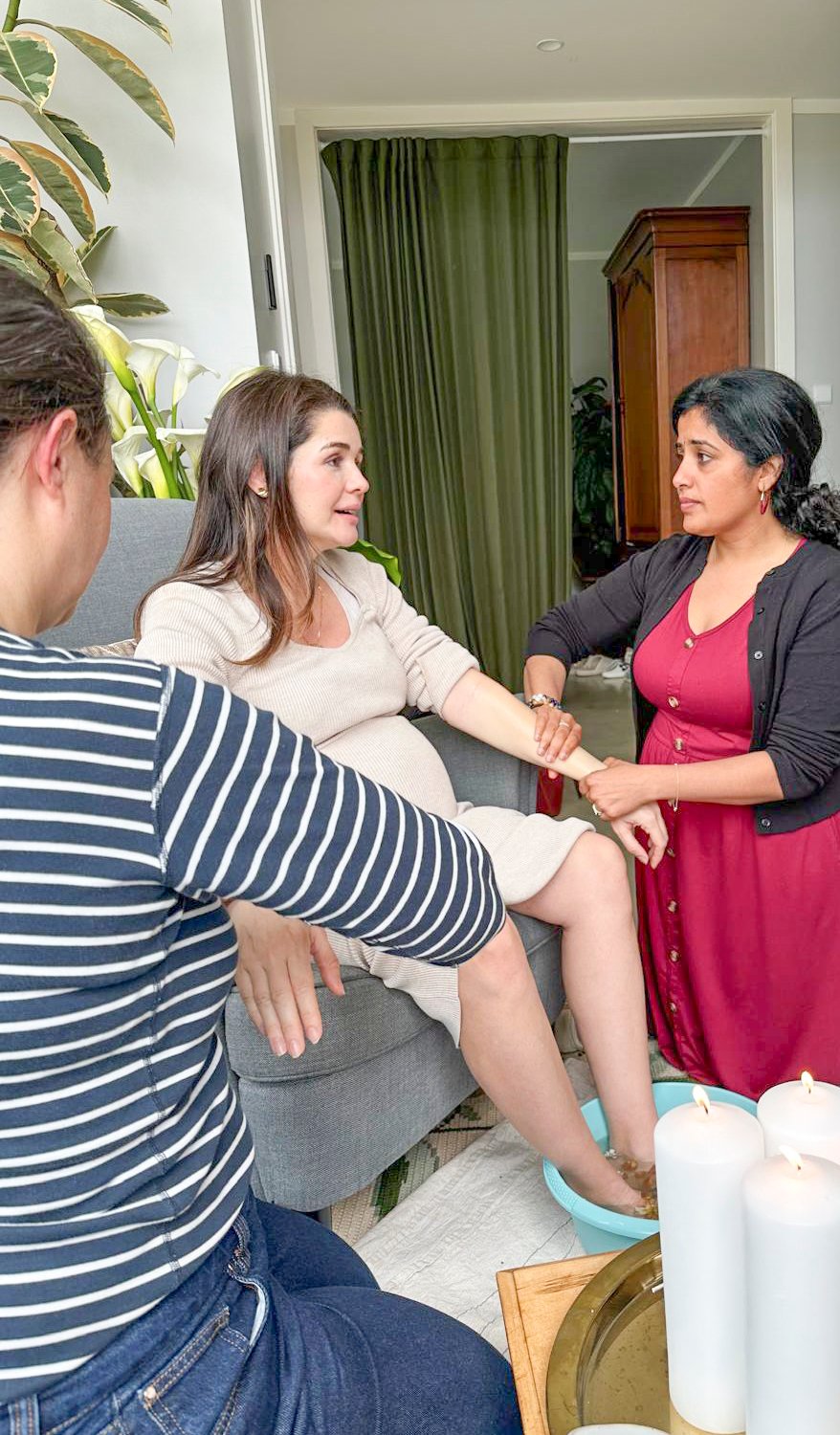
When my sister was pregnant, I wanted to have a serious conversation with her about something, but my mom strongly advised me against doing so. At the time, I thought she was overemphasizing my sisters sensitivity during pregnancy. I was wrong. Having had two babies of my own—one born by cesarean and the other in a vaginal birth at home—and having started, between their births, a business to share the ancient ayurvedic practice of infant massage, I have come to learn much about conscious pregnancy, epigenetics and how a mothers mental health affects her pregnancy outcomes and her babys emotional, physical and mental health. The mothers energy is transferred to the baby in order to prepare the baby for the world she or he will grow up in. If the mother is sad, angry or lonely, those emotions are telling a story to the baby, especially if left unprocessed. We often hear anxious mothers make anxious babies. This is often true of our firstborns, as a result of prenatal anxiety and fear.
Providers sometimes belittle mothers by saying, At least you and the baby are alive. This is a slap in the face to a mother who has often endured the most traumatic experience of her life and is then expected to recover immediately and care for a human being like she knows what shes doing. These days, she is no longer surrounded by wise women to guide her through birth and recovery with nourishing foods, herbs and traditional practices. She is left to look to Google—or now AI—for answers and to pay for services that were once part of her community.
Home births are increasing in some developed countries and can have good outcomes for women with low-risk pregnancies when skilled attendants and timely hospital transfer are available. In India, however, access to trained home-birth providers is limited, though home birth may be the only practical option for those who cannot access hospital care. Mothers should have access to trained home-birth providers rather than be left to choose between unassisted birth when they lack resources and a hospital birth that may include unnecessary interventions and negative outcomes. They then have to cope with the consequences of these outcomes postpartum with little support or few resources. The gifts given during the baby shower do little to support their recovery.
I was so fortunate to have my mother come to help me after each baby was born. She prepared foods to help me recover, support milk production and keep the baby healthy. She made broths with herbs and spices to help me. She massaged me and my baby, a practice that changed my life trajectory. We observed a 90-day confinement period to protect our babys physical, emotional and spiritual health while making sure my mental health was not overlooked.
After the birth of my firstborn, I experienced my mothers support, grounded in generations and generations of passed-down wisdom. As I observed postpartum outcomes for women in America and many other countries, I realized there is an immense unaddressed need that impacts humanity.
To my parents dismay, I left my masters degree behind to share my heritage and support women through pregnancy and the postpartum period. As they say in our culture, when a baby is born, so is a mother. It has become my passion to support this transition.
Families in America are wholly unprepared for what it takes to support a mother after birth. Few families are taught how to support recovery; too often, support consists of frozen meals and the routine six-week checkup. In fact, everything that could happen happens in those first six weeks.
The ayurvedic Sutika Upacharam system describes postnatal care for the mother; Bala Upacharam describes care specific to the child; and Garbocharam includes care for both. There is an incredible amount of guidance on what to eat, which practices to follow and how to support the physical, emotional and mental health of both mother and baby. Here are a few examples.
Baby Massage: Once the umbilical cord stump has fallen off, the baby should be massaged every day for at least 10-15 minutes. Massage may improve sleep, support immunity, alleviate gas, colic and reflux, decrease maternal symptoms of postpartum depression and anxiety and strengthen bonding and the breastfeeding relationship.
I have seen the results in my own girls and hundreds and hundreds of families who have supported their babys overall health in natural and effective ways. They were able to decline providers prescriptions for steroids or antacids or antibiotics when not necessary. One provider questioned a client of mine about the safety of baby massage while simultaneously prescribing a powerful steroid for her six-week-olds eczema.
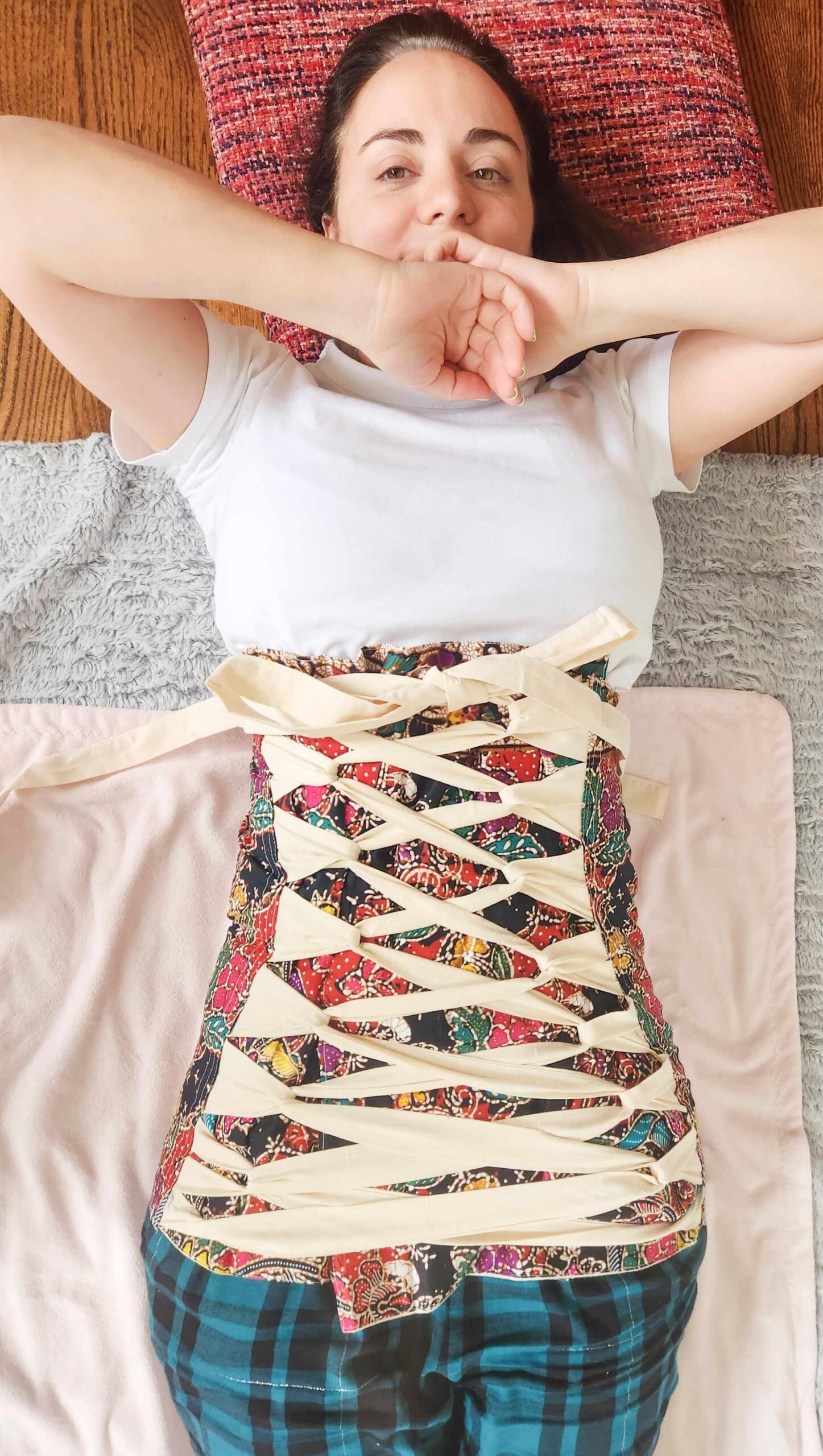
Belly Binding: I trained in Bengkung belly binding, a Malay practice with ayurvedic roots that uses a long cloth, such as a sari, to support postpartum recovery. This is still practiced in certain parts of India. In Malay culture, someone comes to the home to feed, massage, bathe and bind the birthing woman for 40 days. This personal care alleviates the mothers anxiety and reduces the risk of postpartum depression.
Belly binding helps with pelvic floor recovery and posture, helps the rib cage and organs move back into place, increases confidence and offers many other benefits. The low-grade Velcro binders provided by hospitals after cesarean deliveries can be counterproductive, pushing everything downward rather than providing upward support.
Confinement: Ayurveda recommends that mother and baby remain at home for the first 40 days. The intention is to protect the health and energy of both mother and baby. From a physical standpoint, leaving home can expose both to more germs and illnesses. The babys gut microbiome develops rapidly during the first six months and continues to mature for several years. Avoiding unnecessary exposure to illness during early infancy is also ideal. From an energetic standpoint, babies are sponges: their brains are making more than one million new neural connections every second during the first few years of life. So emotions like fear, anxiety, jealousy or sadness in their environment can be absorbed. Babies whose exposure to such emotions is limited may be more settled and calm. Spending time outdoors in the shade and experiencing other aspects of nature, on the other hand, can be beneficial.
For the mother, confinement allows her time and space to heal from the dinner-plate-sized placental wound, recover, connect with her baby and avoid pressure to work, entertain or run errands. Though initially resistant, my husband and I were grateful for that time of rest, recovery and bonding with our baby.
Nourishing Diet: As I shared earlier, my mom stayed with me and made all the necessary healing concoctions to support my recovery. She already knew how to prepare some of them and asked female relatives about others.
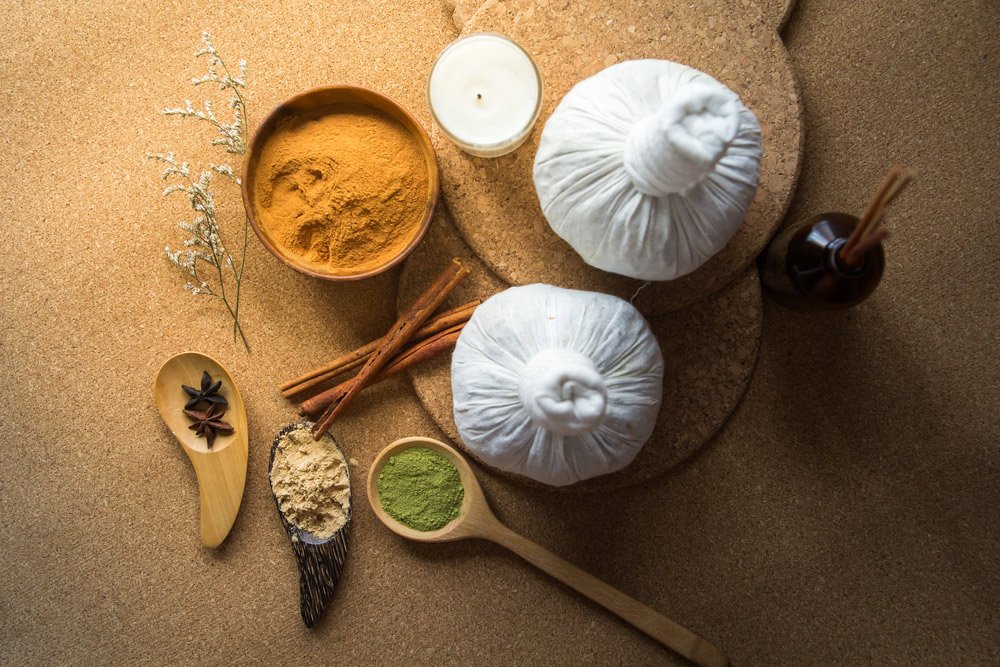
This is not a time to eat salads and smoothies to lose weight. It is a time to help the body replenish itself after pregnancy has drawn on the mothers stores of essential vitamins and minerals. Warm and nourishing foods, teas, broths and nutrient-dense snacks are ideal. Ayurveda advises avoiding cold, fried, spicy or raw foods. Fenugreek is traditionally used to support breast milk production. Some American doctors recommend fenugreek supplements. Turmeric is traditionally used to support healing. Essentially, your diet should consist of foods that nourish you, are easy to digest, assist in recovery and do not deplete you. Other practices include a new mother staying with her own mother for the first three months, dhupanam (herbal fumigation), cloth diapering, elimination communication, daily hair and body oiling, herbal baths and, of course, breastfeeding, which is ideal for both mother and baby.
For years, Ive sought to learn ayurvedic birth practices from birth workers in India but have found surprisingly little knowledge about them. Providers I have spoken with in India talk about the younger generation wanting to copy what is happening in the West and forgetting what lies right beneath them. Tragically, they say nobody cares in India.
This loss of knowledge likely extends to the diaspora, which has been further removed from these traditions. At the same time, Westerners are flocking to these traditions and practices. There are relatively few birth centers in India, and most women opt to have hospital births, where interventions and cesarean rates are high. There are not many people like us who are committed to birth work, to teaching it or to practicing it through an ayurvedic lens. I remember when a woman who worked for us in Gujarat asked me to teach her how to massage her baby. I was floored because I had been looking to India for guidance, as I should.
If we lose this knowledge, well see more illness, more medication and more unnecessary interventions. The purpose of this article is not to go into capitalism, patriarchy and racism within the birth system. That discussion has its place and warrants its own attention. The purpose here is to question our modern-day norms and return to our ancient roots—to wisdom shaped by generations of careful observation and practice—one mother-baby dyad at a time. And it is high time to restore autonomy and intuition to mothers.
The future of our planet depends on reclaiming our ancient Hindu birth wisdom and passing it on through authentic lineages. Unless we preserve this wisdom, we risk losing it forever as it is increasingly appropriated and commercialized by the West. As our Shastras have taught, wisdom about the womb is eternal. In modern terms, womb ecology is world ecology.
About The Author
The Author: Khyati Desai-Seltzer, born in India and raised in America, lives in Portugal with her husband and two daughters. She works in community development and postpartum care, sharing traditional baby massage and belly-binding practices through her business Vyana Infant Massage. Khyati is part of a collective focused on training birthworkers in Ayurvedic traditions. Learn more vyanainfantmassage.com.
.

Leave a Comment