
Global Dharma
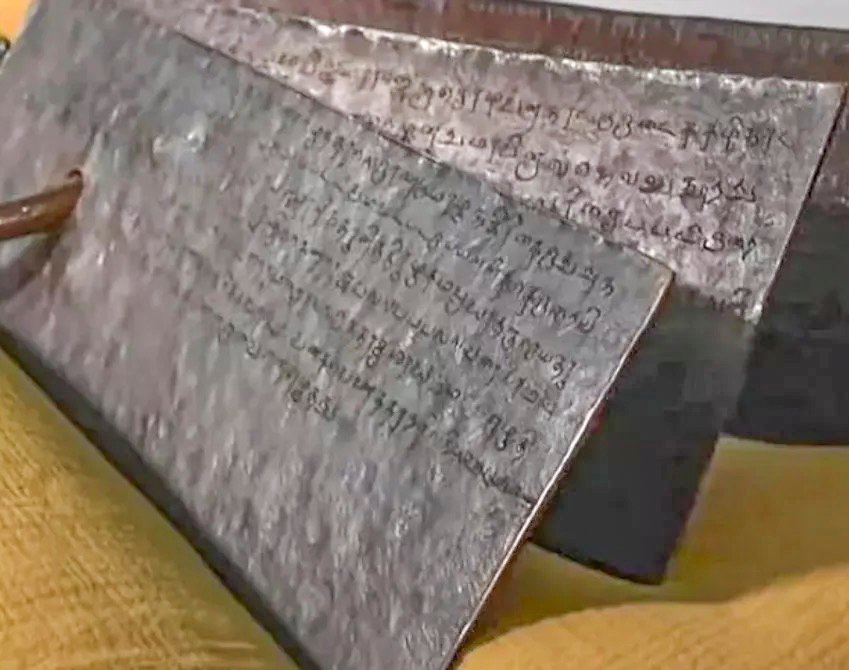
The Netherlands Returns 1,000-Year-Old Chola Plates
The anaimangalam copper Plates, widely known today as the Leiden Copper Plates, are among the most extraordinary surviving records of the Chola age. They are not merely inscriptions from medieval India, according to Bharat Ke Wow. They are a civilizational archive, carrying the pulse of empire, maritime diplomacy, temple culture, administrative precision and the cosmopolitan imagination of the Indian Ocean world.
For centuries, the plates remained far away from India. Since 1862, they had been preserved in the collections of Leiden University Library. Yet their story never truly left India. It survived in epigraphy, in Tamil historical memory, in scholarship and even in literature, quietly echoing through the pages of Ponniyin Selvan.
With their restitution to India, the Anaimangalam Copper Plates have become more than archaeological artifacts. They are now a symbol of historical return.
The plates are royal charters—documents that Chola kings used to permanently record administrative decisions, according to Tamil Heritage Chronicles. The grant originated as an oral order from Rajaraja Chola I (985–1014 ce) and was formalized in copper by his son Rajendra Chola I. The larger charter records that revenue from the village of Anaimangalam near Nagapattinam was assigned to support a Buddhist monastery called Chulamanivarma Vihara.
What makes this more than a routine grant is the identity of the monastery’s founder. The vihara had been built not by a Tamil king but by Maravijayottungavarman, a ruler of the Srivijaya Empire centered on Sumatra in present-day Indonesia and extending into the Malay Peninsula. A Hindu emperor directed revenue from a Tamil village to sustain a Buddhist institution established by a Southeast Asian ruler.
The inscriptions record village revenues, land boundaries, tax exemptions and procedures for implementing the grants. Together, the charters provide important evidence of Chola administration and maritime relations with Southeast Asia.
The Rise of Virtual Darshan in Hindu Practice
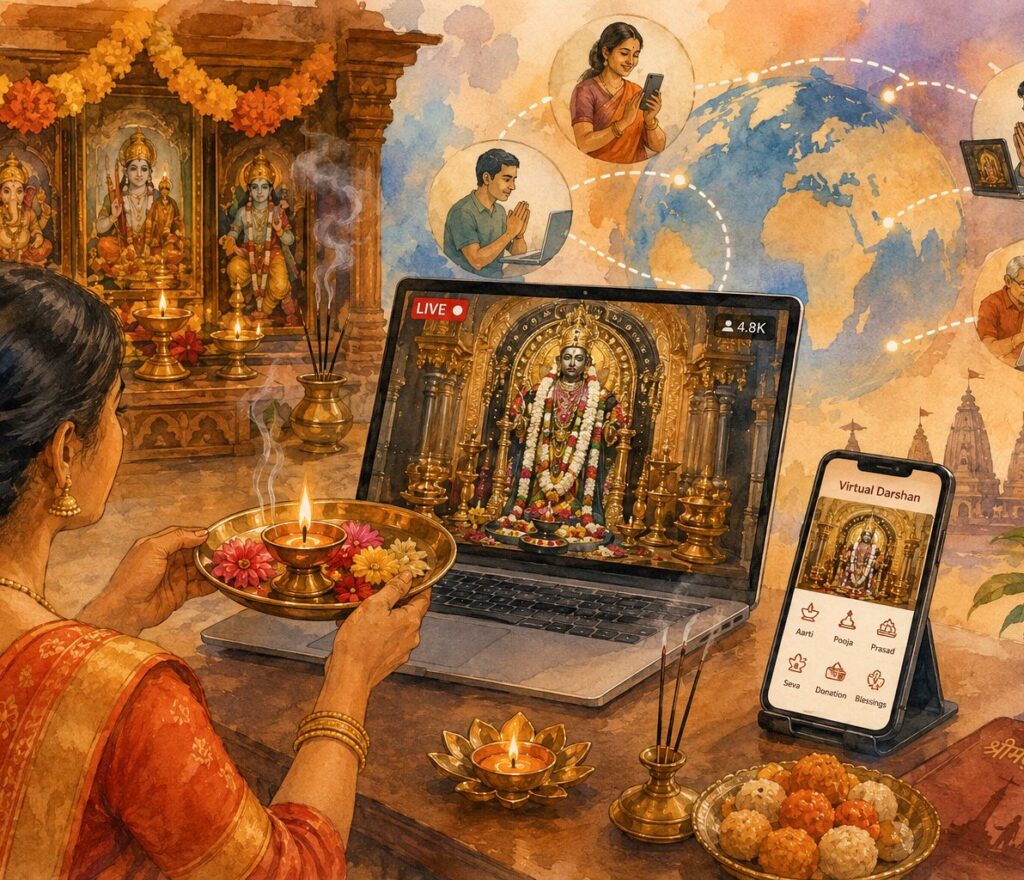
In an age when technology mediates almost every human experience, religion, too, has entered the digital realm. Across India and the global Hindu diaspora, smartphones, livestreams and social media have become new pathways to the divine. Temple darshan—seeing and being seen by the Deity—has traditionally been experienced in person. Today, as reported by Religion World, millions experience it virtually, through screens. Digital transformation is reshaping how some Hindus practice and experience their faith.
Darshan, central to Hindu devotion, is a sacred exchange between devotee and Deity, not merely an act of seeing. For centuries, this involved visiting temples or pilgrimage sites in person. However, the COVID-19 pandemic accelerated a shift that was already underway. With travel restrictions and temple closures, devotees turned to technology. Temples such as Kashi Vishwanath, Tirupati and Shirdi offered livestreams of daily rituals.
Some of these online services draw millions of viewers, more than a temple could physically accommodate at one time. For many, this was the first time they could witness rituals from afar in real time. The practice didn’t end with the pandemic—it created a new normal. Virtual darshans now coexist with physical visits, making sacred experiences in prominent temples accessible to those far from home, the elderly or members of the diaspora.
The growth of digital devotion has given rise to an entire religious-tech ecosystem. Mobile applications now offer everything from puja bookings to astrology consultations and even personalized chanting sessions. Platforms such as Divine India, Bhakti World and MyMandir provide 24/7 access to mantras, devotional songs and live temple feeds.
Digital offerings—e-pujas and e-aratis—allow devotees to book rituals remotely. Priests perform them on behalf of the devotee while streaming the ceremony live or sharing recorded blessings. Payment gateways enable online temple donations and payments for ritual services. This shift has also broadened access to rituals. For many who cannot afford travel to a pilgrimage site, digital rituals offer an alternative. At the same time, it has opened a new form of religious commerce—the “digital temple economy”—where faith meets fintech.
Hindu Gods across Asia
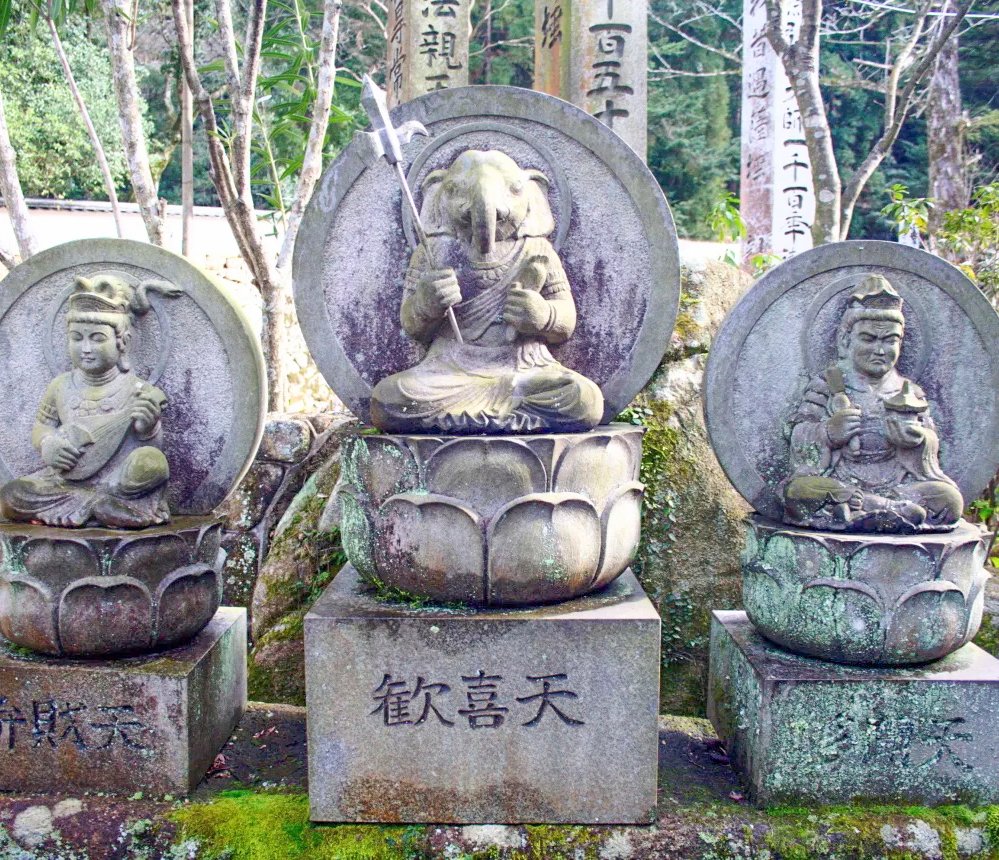
Most people don’t know that some hindu gods are also worshiped in Japan. This cultural transmission unfolded over many centuries, largely through the spread of Buddhism, as noted by The Global Hindu YouTube channel.
Historically, Buddhism reached Japan primarily through Korea, after having developed in China. The Buddhist traditions transmitted across Asia included not only Buddhist scriptures but also Deities of Indian origin. Over time, these Deities were adapted within Japanese Buddhism and became known by new names.
One of the best examples is Sarasvati, the Hindu Goddess of knowledge, music and learning. In Japan, She is known as Benzaiten or Benten. She is one of the famous Seven Lucky Gods of Japan. Many people visit Her temples and shrines to pray for wisdom, success and good luck.
Another Hindu God who reached Japan is Lord Ganesha. In Japan, His Buddhist form is called Kangiten. He is believed to bring happiness, good fortune and success in business. His statues look different from familiar Indian images of Ganesha, but His elephant head still shows His Indian origin. In some images, He holds a radish. Lord Siva also has a connection to Japan. Mahakala, a form of Siva, was adopted into Buddhism and developed in Japan as Daikokuten, who is also one of Japan’s Seven Lucky Gods.
The Ashoka Temple Legacy
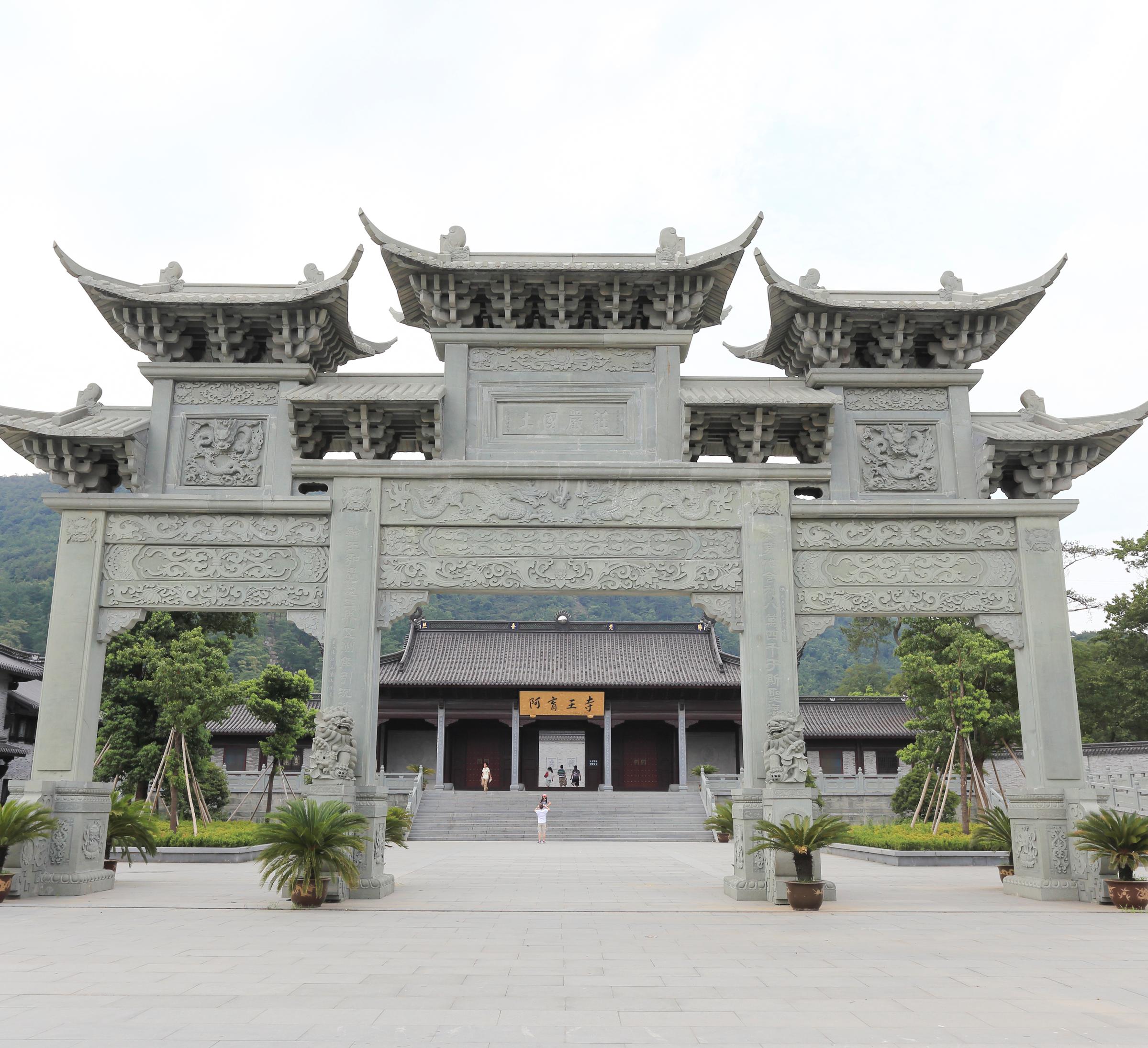
Emperor ashoka temple, called Ayuwang Temple in Chinese, is in Ningbo, Zhejiang Province, China. Featured in an article in The Hindu, it is one of the oldest and most important Buddhist temples in the country. It is traditionally believed to have been founded in 282 ce—more than 1,700 years ago.
The temple is named after Emperor Ashoka, one of India’s greatest rulers. After the Kalinga War, Ashoka expressed deep remorse and increasingly devoted his reign to dhamma, promoting compassion, self-restraint and religious tolerance. According to Buddhist tradition, he built many stupas across his empire and placed the Buddha’s sacred relics in them. The temple enshrines a relic believed to be of Shakyamuni Buddha and traditionally associated with Ashoka.
Over the centuries, the temple became an important place for Buddhist monks, pilgrims and scholars. It rose to prominence during the Tang Dynasty, when Buddhism flourished in China. Today’s complex largely preserves a Ming–Qing layout and contains historic halls, pagodas, inscriptions and sacred objects.
The temple is still an active place of worship. Monks hold daily prayers and conduct religious ceremonies. People from different parts of China and other countries visit the temple to pray, learn about its history and enjoy its peaceful surroundings.
Beyond its religious importance, the temple reflects the long history of Buddhist exchange between India and China.
Fire Walking for Mariamman
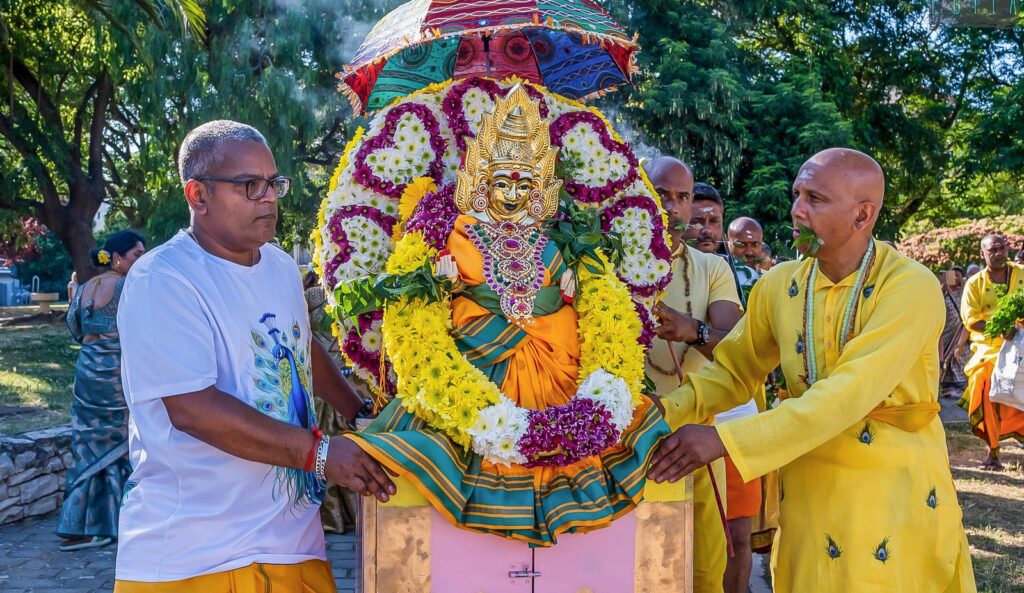
On june 6, 2026, residents of the city of Bari in southern Italy witnessed the Tamil fire-walking festival Theemithi Thiruvizha dedicated to Goddess Mariamman. The participants were Mauritian Tamils who first came to the city in the 1980s and now number more than 1,500.
According to a report on the Barinedita.it website, about 100 Hindus had gathered for the event. They first paraded a decorated Mariamman statue through the streets along with a karagam—a large container of rice, turmeric, coins, fruit and other offerings weighing 88 pounds and carried on the head.
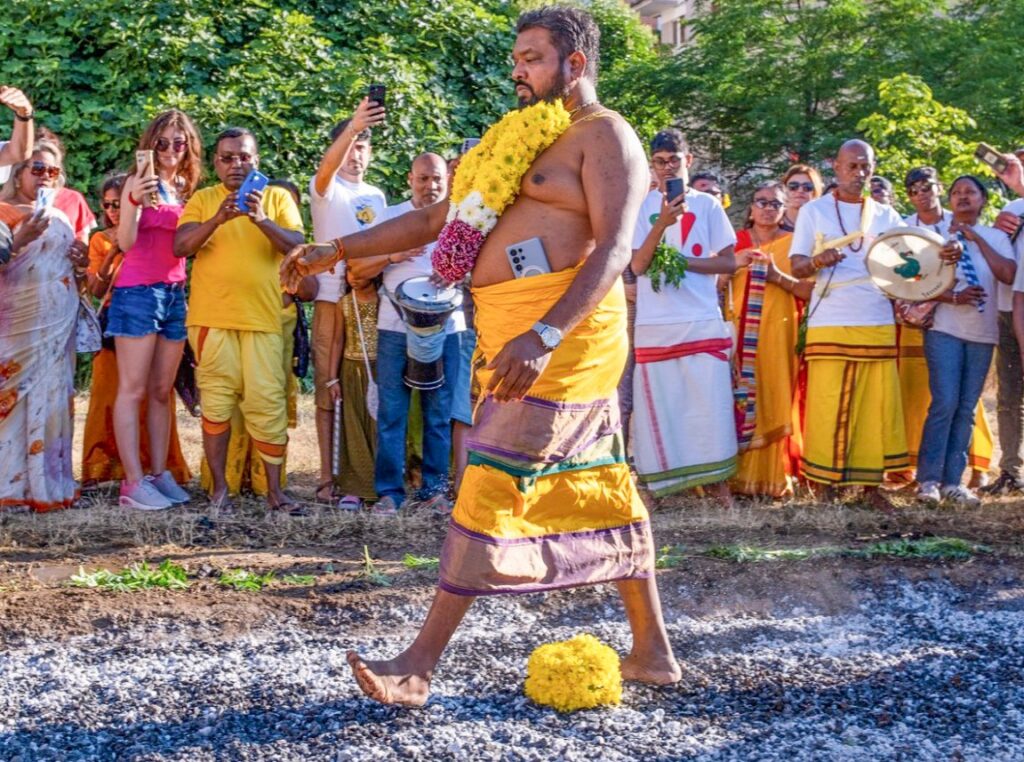
The final observance was fire walking by participants who had prepared through days or weeks of fasting and prayer, a discipline that caused “participants to enter a state of profound religious concentration,” according to the report.
Briefly
Madras High Court has held that an American woman who embraced Hinduism cannot be denied entry into a temple merely because she bears a Christian name or holds foreign citizenship, according to moneycontrol.com. It directed the Tamil Nadu Hindu Religious and Charitable Endowments Department and the authorities of Sri Arulmighu Abishta Varatharajaperumal Temple in Thanjavur district to treat her as a Hindu devotee and extend to her the same rights and obligations accorded to other Hindu women worshippers.
The Hindu Temple Society of North America’s Sri Maha Vallabha Ganapati Devasthanam in Flushing, New York, marked nearly five decades since its 1977 consecration, according to Religion News Service. One of the oldest traditional Hindu temples established by Indian immigrants in the U.S., it continues to serve as a center for worship, culture and community. Founded in the wake of the 1965 Immigration and Nationality Act, the vibrant center for worship, cultural preservation and community life draws devotees from across the country.
BAPS Hindu Mandir in Abu Dhabi was honored with the prestigious Tolerance Award at the 3rd International Dialogue of Civilizations and Tolerance Conference. The award recognizes individuals and organizations whose work promotes global tolerance, mutual respect and peaceful coexistence, according to The South Asian Times.
Swindon Hindu Temple in the UK celebrated its first-ever Rath Yatra, joining a small number of European temples that house the revered Deities Jagannath, Balabhadra and Subhadra, according to BBC. The festival featured a traditional chariot procession and a community feast prepared by devotees, bringing hundreds together in celebration of compassion, equality and selfless service.
Leave a Comment