
Patanjali’s Yoga Sutras
Excerpts from the Translation and Saiva Siddhanta Commentary by
Satguru Bodhinatha Veylanswami
Satguru Bodhinatha Veylanswami spent several years studying the foremost translation of the seminal yoga text, The Yoga Sutras, and formulating his own translation. His interest was focused on the text’s parallels with the teachings of his guru, Sivaya Subramuniyaswami, who had studied the ancient text as a young seeker. After teaching these truths for over a decade, in 2022 Bodhinatha instructed his editing team of acharyas to bring his sutra project to a professional level. The illustrated book was published by Himalayan Academy in 2026 and this Insight is an excerpt of that book. It is arguably the first interpretation approached from the perspective of Shuddha Saiva Siddhanta, a fact which gives it a unique place among the myriad editions created over the centuries.
Introduction by Pujya Sri Jayendrapuri Swamiji
The perennial quest of mankind, as has been profoundly echoed through the sacred traditions of Sanatana Dharma, is not merely to live, but to know—to realize, to awaken to that eternal, unchanging Reality which shines as the very substratum of existence, the silent witness of all modifications, and the immutable essence behind the ever-changing panorama of life. In this exalted pursuit, the timeless work Patanjali’s Yoga Sutras stands as a radiant beacon, guiding earnest seekers toward the direct realization of their own true nature. At the very outset, one is struck not merely by the intellectual precision of the sutras, but by their deeply experiential orientation. Unlike many philosophical treatises that dwell extensively in abstraction, the aphorisms of Patanjali offer a direct and methodical pathway—an inner science—through which the aspirant may transcend the limitations of the mind and abide in the supreme stillness of pure consciousness. The celebrated declaration, yogaścitta vṛtti nirodhaḥ,encapsulates the entire essence of this path. Yoga is not merely physical discipline, nor philosophical speculation; it is the cessation of the fluctuations of the mind. If the restless modifications of the mind are the cause of bondage, their mastery alone opens the gateway to liberation. The rendering of these sutras by the Himalayan Academy, through the translation of Satguru Bodhinatha Veylanswami, extracted from the treasury of works of Gurudeva Sri Sivaya Subramuniyaswami, resonates deeply with the timeless wisdom of the Upanishads, wherein the mind is both the cause of bondage and liberation.
The text of the Yoga Sutras is presented as part of the grand continuum of Vedic and Agamic thought. The division into four padas (chapters)—Samadhi, Sadhana, Vibhuti and Kaivalya—is symbolic of the aspirant’s inner evolution: from the initial glimpse of stillness, through disciplined practice, past the temptations of extraordinary attainments and finally into the consummation of absolute freedom.
The exposition of ashtanga yoga—the eightfold path—restores yoga to its original sanctity and completeness. Yama and niyama are not external moral impositions but essential purifications of the inner instrument. Asana becomes a means to steadiness rather than an end in itself; pranayama unfolds as mastery over the vital force; pratyahara reveals the art of inward withdrawal—not suppression, but transcendence. Dharana matures into dhyana, and dhyana culminates in samadhi, where the triad of knower, knowing and known dissolves into non-dual awareness.
Yet, what elevates this edition of Patanjali’s Yoga Sutras into a rare and luminous category is the profound spiritual authority and experiential authenticity brought forth by Sivaya Subramuniyaswami, Gurudeva Sri Sivaya Subramuniyaswami, and the deft, disciplined and compassionate exposition of Bodhinatha Veylanswami, Satguru Sri Bodhinatha Veylanswami.
The depth of knowledge embodied by Gurudeva is not merely intellectual. It is born of direct realization, refined through intense tapas and sanctified through decades of guiding seekers along the inner path. His insights are not speculative commentaries but living truths arising from the stillness of meditation and the clarity of Self-experience. In his hands, each sutra becomes vibrant, pulsating with spiritual force, revealing layers of meaning hidden to superficial reading. His grasp of the subtle workings of the mind is particularly extraordinary. His words carry the authority of realization, possessing the rare capacity to instruct, inspire and transform simultaneously.
Gurudeva harmonizes the rigorous discipline of yoga with the devotional richness of temple-centered Hinduism, dissolving artificial divisions between bhakti, karma, jnana and raja yoga. For him, these are not separate paths but complementary streams converging toward the same realization.
If Gurudeva represents the vast ocean of spiritual wisdom, then Satguru Sri Bodhinatha Veylanswami stands as the master navigator who guides seekers across its depth with precision and grace. His handling of the text is truly deft. He neither dilutes the profundity of the teachings nor burdens the reader with unnecessary complexity.
Where Gurudeva’s voice resounds with the authority of realization, Satguru Sri Bodhinatha Veylanswami’s exposition reflects the clarity of a teacher who has deeply internalized that wisdom. His interpretations bridge ancient aphorism and contemporary understanding, making the teachings immediately relevant without compromising their sanctity.
His treatment of the Vibhuti Pada is particularly commendable. In an age where fascination with siddhis can easily distract the aspirant, he maintains unwavering focus on the ultimate goal. While acknowledging these powers, he gently but firmly redirects attention toward the higher uddeshya, or spiritual goal—realization of the Self. Similarly, in the Kaivalya Pada, his exposition reveals philosophical clarity and experiential depth, guiding the reader toward the recognition that liberation is not an attainment in time, but the unveiling of one’s eternal nature.
A feature of significance in this work is its presentation of the Yoga Sutras through the illuminating lens of Saiva Siddhanta—a perspective rarely found in the vast landscape of yogic literature. Under the realized vision of Gurudeva Sri Sivaya Subramuniyaswami and the refined articulation of Satguru Sri Bodhinatha Veylanswami, they are revealed through the profound metaphysical and devotional framework of Saiva Siddhanta.
This approach brings into alignment the disciplined psychology of yoga with the rich theology of Saiva Siddhanta—where the relationship of Pati (the Lord), Pashu (the soul) and Pasha (the bonds) provides a comprehensive understanding of spiritual evolution. Here, the restraint of the mind is not an isolated practice but part of a larger journey toward union with Lord Siva as a living, experiential Reality.
In this synthesis lies the true uniqueness of the work. It serves as a unifying force between two of the most ancient streams of thought in Bharat—the analytical, introspective discipline of yoga and the devotional, metaphysical richness of Saiva Siddhanta.
This unification carries significance for the modern aspirant. It affirms that spiritual life need not be fragmented—that deep meditation and devotion are mutually enriching. The ultimate goal described by Patanjali as Kaivalya is shown to be in consonance with the Saiva Siddhanta realization of union with Siva, dissolving conceptual boundaries and inviting a more holistic spiritual vision.
Throughout the text, one perceives an integration of dualistic and non-dualistic insights. While distinctions are acknowledged for the sake of clarity, the culmination transcends all duality. This delicate balance reflects the wisdom of the great masters who have celebrated the diversity of expression while affirming the unity of essence.
The language of the work deserves special appreciation. It is at once elevated and accessible, imbued with reverence yet free from unnecessary complexity. More importantly, it carries a subtle spiritual force. This is not merely a text to be read, but a scripture to be lived.
In the modern world—marked by unprecedented external advancement and inner unrest—the relevance of such a work cannot be overstated. The mastery of the outer world has not yielded mastery of the inner. The Yoga Sutras address this imbalance, offering a timeless pathway to inner harmony and ultimate freedom.
The role of the guru, though subtle, pervades the entire work. The journey inward, while deeply personal, is illumined by the guidance of those who have realized the Truth. In this regard, the combined presence of Gurudeva Sri Sivaya Subramuniyaswami and Satguru Sri Bodhinatha Veylanswami transforms this edition into a living transmission where diverse streams merge into the ocean of Truth.
Essential Yoga Sutras
A Condensed Overview of the Yogic Path
The Nature of the Mind and the Path to Restraint
दृष्टानुश्रविकविषयवितृष्णस्य वशीकारसंज्ञा वैराग्यम् ॥ १५॥
1.15 dṛṣṭānuśravikaviṣaya-vitṛṣṇasya vaśīkārasaṁjñā vairāgyam
vairāgyam (dispassion), vaśīkāra-saṁjñā (mastery, vaśīkāra; designation, saṁjñā), vitṛṣṇasya (of one who is free from craving), dṛṣṭa-anuśravika-viṣaya (for objects, viṣaya; perceived, dṛṣṭa, heard-about, anuśravika)
O O O
Dispassion is the masterful consciousness of one who is free of desire for objects, whether perceived or heard about.
Commentary
Progress in yoga is not possible if our mind is constantly externalized by and attracted to objects or people, whether actually seen or simply heard about, as in scripture or literature or even the news. The term vairāgya is a powerful one, not well represented by the single term dispassion. Vairāgya is a profound state of renunciation and indifference to worldly objects, a full and fearsome giving up of all things external. It is rare to see someone who has achieved true vairāgya. Some commentators consider “what is heard” to include what is described in scripture, such as the heavenly worlds. Having heard of such worlds, the mind may desire the divine experiences they hold.
Satguru Sivaya Subramuniyaswami
It is the day-to-day reactions to circumstance that indicate the attainment and not mere recorded knowledge about the path. When the aspirant is able to meet ordinary happenings and respond to them in the effortless wisdom born of detachment, that indicates that his striving is genuine. When he is able to encounter conditions that send ordinary people into states of disappointment or discouragement and when his emotional nature indicates mastery over these lesser states of consciousness, he is well on his way toward filling the gaps of a natural growth of the instinctive vehicles—body, emotions and intellect. (Merging with Śiva, Lesson 65: “Disappointment, Discouragement”)
The Definition and Purpose of Yoga
योगश्चित्तवृत्तिनिरोधः ॥ २॥
1.2 yogaścittavṛttinirodhaḥ
yogaḥ (yoga), nirodhaḥ (restraint), citta (of the mind), vṛtti (activities)
O O O
Yoga is the restraint of mental activities.
Commentary
Our minds are constantly engaged in one type of activity or another, whether awake or sleeping. We are remembering events from the past, thinking about current tasks or theorizing about future events. Or we are experiencing moods and emotions. The practices of yoga enable us to silence these mental activities, which can be thought of as movements or fluctuations.
Satguru Sivaya Subramuniyaswami
As you sit to meditate, awareness may wander into past memories or future happenings. It may be distracted by the senses, by a sound or by a feeling of discomfort in the body. This is natural in the early stages. Gently bring awareness back to your point of concentration. . . . Don’t criticize awareness for wandering, for that is yet another distraction. Distractions will disappear if you become intensely interested and involved in your meditation. In such a state, you won’t even feel the physical body. . . . To become the ruler of the mind is the goal. (Living with Śiva, Lesson 99: “Taming Distraction”)
तदा द्रष्टुः स्वरूपेऽवस्थानम् ॥ ३॥
1.3 tadā draṣṭuḥ svarūpe’vasthānam
tadā (then), draṣṭuḥ (of awareness/the seer), avasthānam (abiding/residing), svarūpe (in its own nature)
O O O
Then awareness abides in its essential nature.
Commentary
When the mind’s movements are restrained, awareness naturally turns in on itself, remaining aware only of itself until thoughts again arise.
Satguru Sivaya Subramuniyaswami
To attain and sustain kaif [awareness aware of itself] is a simple practice. You pull awareness out of the thought processes. You pull awareness out of the emotion processes. You pull awareness out of the bodily processes, and you’re just completely on that pinnacle of being aware of being aware. That’s so necessary to practice every day, even if you do it for a split second. (Merging with Śiva, Lesson 300: “Undesirable Influences”)
वृत्तिसारूप्यमितरत्र ॥ ४॥
1.4 vṛttisārūpyamitaratra
itaratra (otherwise), vṛtti-sārūpyam (conformity, sārūpyam; with mental activities, vṛtti)
O O O
Otherwise, awareness identifies with the mental activities.
Commentary
It is the nature of the awareness that it not only observes the mind’s movements but also identifies with them. A simple example is the idea of experiencing happiness. We say, “I am happy,” fully identifying with the emotional state called happiness. A deeper understanding would be “Awareness has taken the form of happiness.”
Satguru Sivaya Subramuniyaswami
Consciousness and awareness are the same when awareness is totally identified with and attached to that which it is aware of. To separate the two is the artful practice of yoga. Naturally, the Shum-Tyeif language is needed to accomplish this. When awareness is detached from that which it is aware of, it flows freely in consciousness. A tree has consciousness. Awareness can flow into the tree and become aware of the consciousness of the tree. (Merging with Śiva, Lesson 34: “Awareness and Consciousness”)
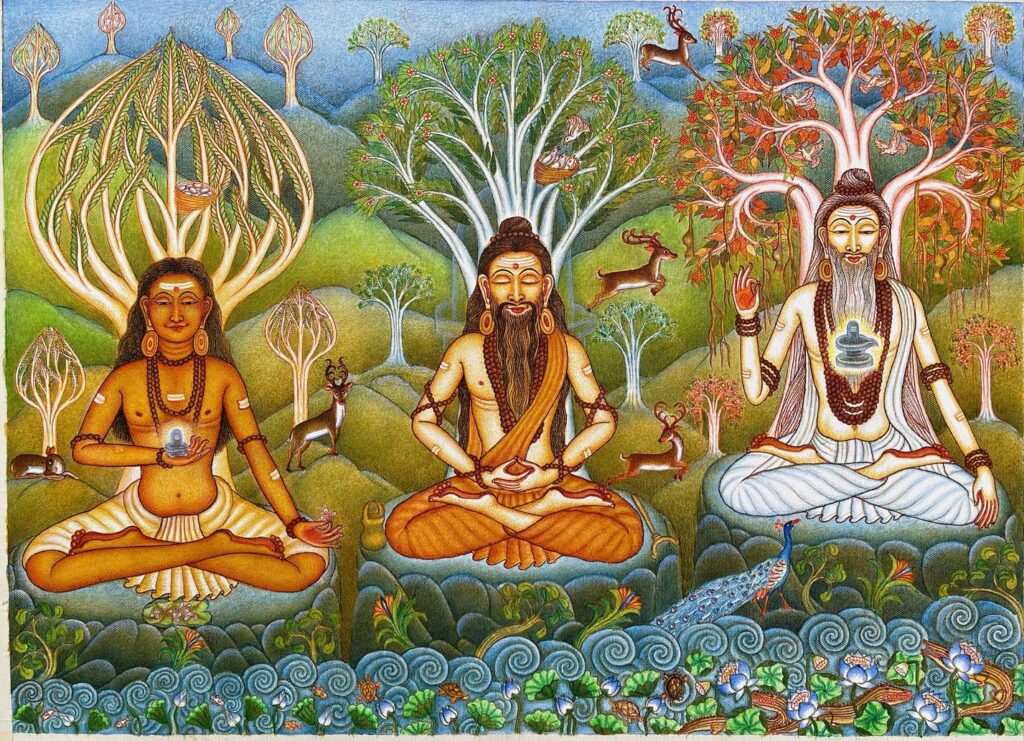
The Role of Īśvara
ईश्वरप्रणिधानाद्वा ॥ २३॥
1.23 īśvarapraṇidhānādvā
vā (or), īśvara-praṇidhānāt (through devotion, praṇidhāna; to God, Īśvara)
O O O
Or, this is gained through devotion to Īśvara.
Commentary
“This is gained” is a reference to achieving asaṁprajñāta samādhi. Vyāsa explains: “Through a special kind of devotion called Īśvara-praṇidhāna on the part of the devotee, Īśvara inclines towards him and favors him with grace for fulfillment of his wish. From such grace also a yogin obtains samādhi, and its result, the attainment of the state of liberation, becomes imminent.” (See Vyāsa on 1.23 Hariharananda trans.)
We arrive at a key juncture in Patañjali’s sūtras, where he stresses the import of devotion to God. As discussed before, this is where Vedānta and Siddhānta diverge. Most commentators, leaning towards Advaita Vedānta, which regards devotion as a lesser practice, more or less set this sūtra aside, for to them there is no divine ruler, Īśvara, in the sense that Patañjali implies. Śaiva Siddhāntins, on the other hand, hold devotion as central to the spiritual path—this pure love of God, the creator of all, the source of illumination. For Siddhāntins, this devotion is not only a surrender of the heart, it is also the active worship of Śiva through pūjā and adoration and the active pursuit of Śiva consciousness through sādhana and tapas.
Satguru Sivaya Subramuniyaswami
Someone once asked, “They say true bhakti is giving your whole will, your whole being, to God. If you do that, aren’t you making yourself completely passive?” Many think that the ultimate devotion, called prapatti in Sanskrit, means giving up their willpower, their independence and their judgment for an attitude of “Now you direct me, for I no longer can direct myself, because I no longer have free will. I gave it all away.”
This is a good argument against prapatti, to be sure, but a gross misinterpretation of the word, which is the very bedrock of spirituality. This is not the meaning of prapatti at all. The yoga of pure devotion is found at the beginning, the middle and the end of the path. Merging with Śiva is more and more a deeply felt experiential reality when the soul gives of itself to Śiva inwardly and outwardly in unabashed devotion. Prapatti truly is the key that unlocks the love needed as merger increases as the years pass by and, as Satguru Yogaswami said, “Love pours forth to melt the very stones.” (Merging with Śiva, Lesson 155: “Your Will and The Gods’ Will”)
The Kleśas and the Root of Suffering
अविद्यास्मितारागद्वेषाभिनिवेशाः क्लेशाः ॥ ३॥
2.3 avidyāsmitā-rāga-dveṣābhiniveśāḥ kleśāḥ
avidyā (ignorance), asmitā (I-am-ness/egoism), rāga (desire/attraction), dveṣa (aversion/dislike), abhiniveśaḥ (clinging to life/fear of death), kleśāḥ (afflictions/obstacles)
O O O
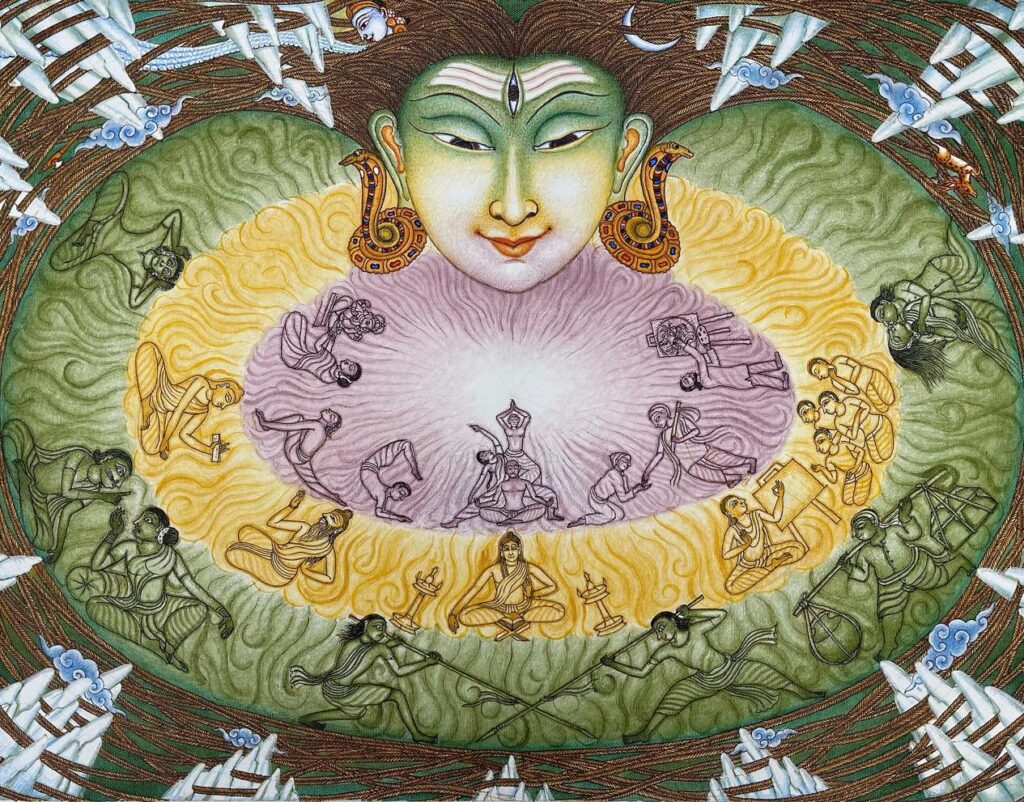
The kleśas are: ignorance, I-am-ness, attraction, aversion and clinging to life.
Commentary
These five obstacles can all be weakened and diminished by the practice of kriyā yoga. It is a little-known truth of yoga practice that seekers must consistently attend to these impediments if they are to achieve their spiritual goals.
Satguru Sivaya Subramuniyaswami
Spiritual unfoldment is not a process of awakening the higher chakras, but of closing the chakras below the mulādhāra. Once this happens, the aspirant’s consciousness slowly expands into the higher chakras, which are always there. The only thing that keeps the lower chakras closed is regular sādhanā, japa, worship and working within oneself. (Merging with Śiva, Lesson 294: “Closing the Door to Lower Realms”)
The Eightfold Path of Yoga
योगाङ्गानुष्ठानादशुद्धिक्षये ज्ञानदीप्तिराविवेकख्यातेः ॥ २८॥
2.28 yogāṅgānuṣṭhānād aśuddhi-kṣaye jñāna-dīptir-āvivekakhyāteḥ
yogāṅgaanuṣṭhānāt (from practice, anuṣṭhāna; of the limbs, aṅga; of yoga),
aśuddhi-kṣaye (upon destruction, kṣaye; of impurities, aśuddhi),
jñāna-dīptiḥ (radiance, dīptiḥ; of wisdom, jñāna), āviveka-khyāteḥ (up to, ā; discriminative, viveka; realization, khyāteḥ)
O O O
By practicing the limbs of yoga, impurities are destroyed and radiant wisdom leads to discriminative realization.
Commentary
This begins the section on the eight limbs of yoga. Practice causes three events to happen: First, impurities dwindle. Second, with the grosser impediments removed, the radiance of the soul, jñāna dipti, always there but hidden, is revealed. Third, the ability to discriminate between the seer and the seen becomes possible.
Satguru Sivaya Subramuniyaswami
To the meditating yogī, darśana is more than a communication radiating out to him from an external God or Mahādeva. It is a radiant light shining from the sanctum sanctorum of his own sahasrāra chakra. Worship for him becomes completely internal as he follows that light, that darśana, seeking to know its source. In yoga, the devotee worships the transcendent aspect of God. He strengthens his body and nerve system. He disciplines the energies of mind and body. He learns to regulate his breath and to control the prāṇas that flow as life’s force through his nerve system. In this process, the kuṇḍalinī śakti is lifted and the multi-petaled chakras unfold in all their splendor. The subtle realms within the devotee are revealed layer by layer as he methodically perfects attention, concentration, meditation and contemplation. (Merging with Śiva, Lesson 364: “The Journey Called Yoga”)
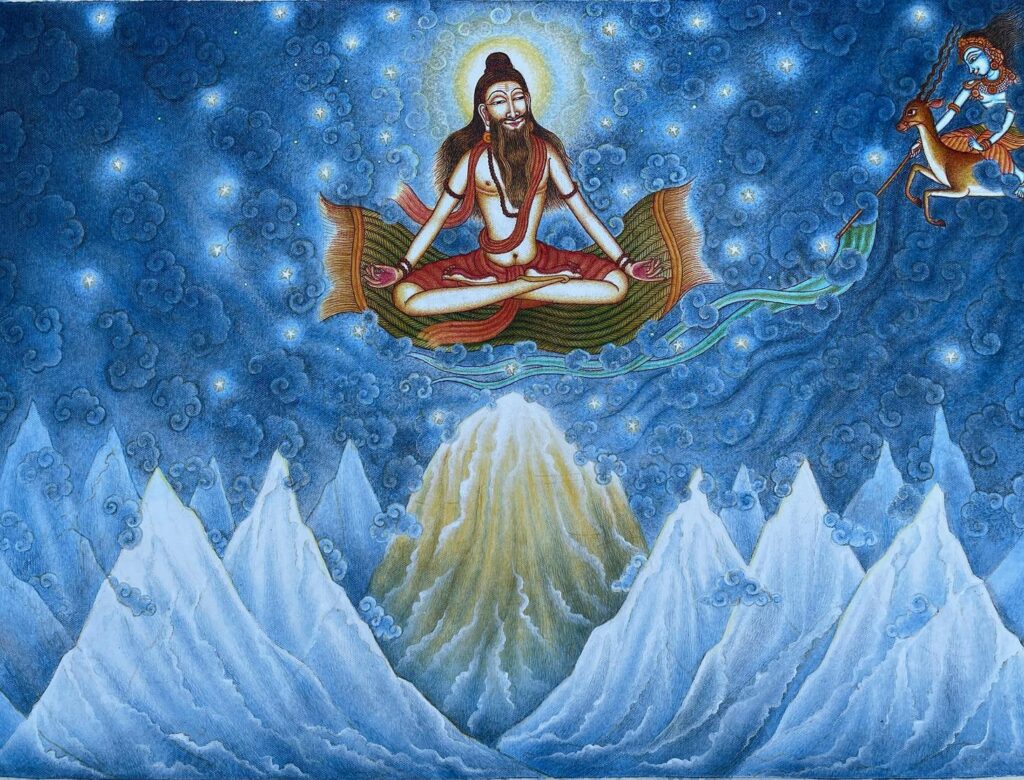
Karma and Rebirth
ते ह्लादपरितापफलाः पुण्यापुण्यहेतुत्वात् ॥ १४॥
2.14 te hlādaparitāpaphalāḥ puṇyāpuṇyahetutvāt
te (these), hlāda-paritāpa-phalāḥ (fruits, phalāḥ; of pleasure, hlāda; pain, paritāpa), puṇyāpuṇya-hetutvāt (from causality, hetutvāt; virtue, puṇya; vice, apuṇya)
O O O
These bear fruits of pleasure or pain, depending on virtue or vice.
Commentary
“These” is a reference to the three topics in the last sūtra: condition of life, length of life and life experience. Condition of life, jāti, here refers to species, social class, etc. These can be full of joy or sorrow, depending on the good or not-so-good actions of the past, commonly called good and bad karma. Thus, even a short life can be full of pleasure, and a long life filled with anguish. A lowly farmer can be happy while the king may be miserable. Vyāsa summarizes: “The kleśas provoke karma, and karma, depending on its nature, produces different qualities of births, life spans and life experiences, and these, in turn, produce corresponding pleasure and pain.” (Vyāsa on 2.23, quoted in Bryant trans.)
Satguru Sivaya Subramuniyaswami
One of the major keys to understanding the importance of good conduct relates to the release of seed karmas. Performing dharma—acting with correct thought, word and deed—siphons the results of previous patterns of behavior from the past and causes those seeds to sprout in this life. Like attracts like. These patterns then aid the individual by bestowing clarity of mind and a life in which yoga can be performed and truth sought. In the practice of yoga, the negative seed karmas can actually be burned up without ever having to be lived through. Conversely, adharma—wrong thought, word and deed—siphons the results of past misdeeds, like attracting like. These seed karmas begin to bear bitter fruit, resulting in a miserable life and state of mind. The individual is immersed in confusion, wrong patterns of thought and is, of course, in no position to practice yoga, follow dharma or realize truth. He is simply immersed in saṁsāra. (Living with Śiva, Lesson 264: “Good and Bad; Like Attracts Like”)
परिणामतापसंस्कारदुःखैर्गुणवृत्तिविरोधाच्च
दुःखमेव सर्वं विवेकिनः ॥ १५॥
2.15 pariṇāma-tāpa-saṁskāra-duḥkhair-guṇa-vṛtti-virodhāc-ca duḥkham-eva sarvaṁ vivekinaḥ
vivekinaḥ (discerning ones), duḥkham (sorrow), sarvam (all), eva (indeed), pariṇāma-tāpa-saṁskāra-duḥkhaiḥ (from sufferings, duḥkhaiḥ; of change, pariṇāma; affliction, tāpa; latent impressions, saṁskāra), ca (and), guṇa-vṛtti-virodhāt (from conflict, virodhāt; in the activity, vṛtti; of the qualities, guṇa)
O O O
To the discerning ones, all is indeed sorrow, whether from the suffering caused by impermanence, affliction, saṁskāras or the turmoil of the guṇas’ activities.
Commentary
An ordinary person focuses on the transient enjoyments that come from experience. A wise man, however, looks beyond the moment, knowing that all experience is impermanent and thus cannot bring lasting joy. While this somewhat radical statement echoes the philosophy of the Buddhists, the final sūtra in the Yoga Sūtras talks about the ultimate liberation (kaivalya), where the yogī is liberated from all suffering, leading to a state of true freedom and enduring bliss. In Śaiva Siddhānta, even suffering has a spiritual purpose, for it brings the soul through necessary, albeit painful, experiences that are required for growth and spiritual evolution. Thus the Śaiva Siddhāntin embraces all human experience, even suffering, knowing it is Śiva’s concealing grace, tirodhana śakti, leading to Self Realization and liberation.
Bryant notes that “This sūtra is actually the pivot of this chapter, which, in turn, is the heart of the entire text. Sūtras II.1–14 discuss the causes, the kleśas, that produce duḥkha; and sūtras 16 onward focus on the path to remove duḥkha as well as the state beyond. The chapter thus echoes the Four Noble Truths.”
Satguru Sivaya Subramuniyaswami
There is a divine purpose even in the existence of suffering in the world. Suffering cannot be totally avoided. It is a natural part of human life and the impetus for much spiritual growth for the soul. Knowing this, the wise accept suffering from any source, be it hurricanes, earthquakes, floods, famine, wars, disease or inexplicable tragedies. Just as the intense fire of the furnace purifies gold, so does suffering purify the soul to resplendence. So also does suffering offer us the important realization that true happiness and freedom cannot be found in the world, for earthly joy is inextricably bound to sorrow, and worldly freedom to bondage. Having learned this, devotees seek a satguru who teaches them to understand suffering, and brings them into the intentional hardships of sādhana and tapas leading to liberation from the cycles of experience in the realm of duality. (Dancing with Śiva, Śloka 51: “Why Is There Suffering in the World?”)
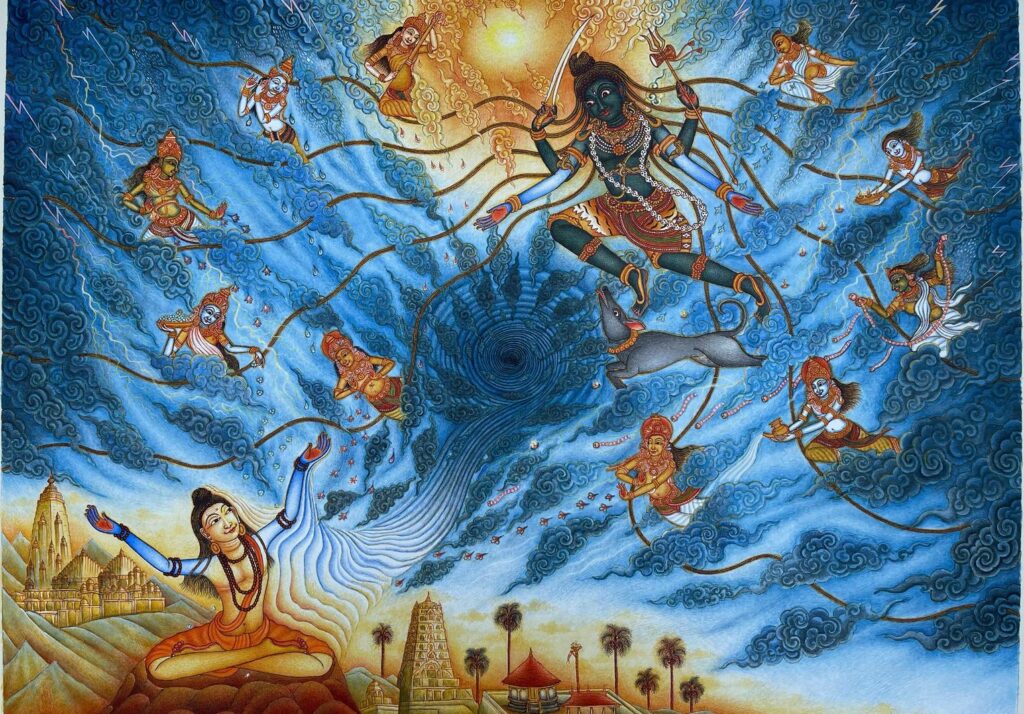
Final Liberation
पुरुषार्थशून्यानां गुणानां प्रतिप्रसवः कैवल्यं स्वरूपप्रतिष्ठा वा चितिशक्तिरिति॥ ३४॥
4.34 puruṣārthaśūnyānāṁ guṇānāṁ pratiprasavaḥ kaivalyaṁ svarūpapratiṣṭhā vā citiśaktiriti
kaivalyam (liberation), guṇānām (of the guṇas), puruṣa-artha-śūnyānām (devoid, śūnyānām; of purpose, artha; for Self, puruṣa), pratiprasavaḥ (involution/return to the origin), vā (or), iti (thus), citi-śaktiḥ (the power, śaktiḥ; of consciousness, citi), svarūpa-pratiṣṭhā (established, pratiṣṭhā; in one’s essential nature, svarūpa),
O O O
Liberation occurs when the power of pure consciousness abides in its essential nature, as the guṇas return to their source, now devoid of purpose for the puruṣa.
Commentary
As stated at the beginning of chapter one, when mental activity is restrained, the soul’s faculty that witnesses thoughts, naturally turns in on itself. However, this is temporary and only lasts until thoughts again arise, whereas in kaivalya, the power of awareness is permanently established in itself.
Kaivalya, or liberation, the ultimate goal of yoga, is defined as the complete disconnection of puruṣa (the seer) from prakṛti (the seen). It signifies a state of complete isolation in which the puruṣa, the true self, recognizes its nature as entirely separate from everything else, including the mind (citta) in its three aspects—manas, ahaṅkāra and buddhi. At this point, the guṇas (the fundamental qualities of nature) have completed their purpose, leading puruṣa to liberation, and are no longer active. The puruṣa (which was never truly bound) is now fully detached from prakṛti and abides in its pure, unchanging essence.
At the end of his life, the yogī, having completed the journey through the cycle of life and death (saṁsāra), releases the physical body and mind, allowing them to dissolve back into the elements, reversing the process of creation.
Patañjali does not explore the specifics of what final liberation feels like, nor does he address the relationship between the liberated puruṣa and Īśvara (God), inner worlds of being or the nature of existence after kaivalya. His focus remains strictly on the path to achieving liberation, offering no description of the state of being liberated or any divine connections. He may be following the guru tradition in which the disciple is not told what to expect, for that would constrain his search. By not having a concept in mind, his possibilities are limitless.
Satguru Sivaya Subramuniyaswami
After realization of the Self, to attain actual liberation from rebirth requires the willful and deliberate act of the adept at the point of death to direct the course. If he feels and knows that he has yet to perform actions of service on this planet, once the physical body has been parted from, he will find himself on an inner plane in which he can prepare to return at the proper place and proper time to fulfill his desire. However, should he have felt well satisfied with his many lives, as they play before his vision during his transition from his physical body, now ready to go on in this liberated state, he would find himself on an inner plane whence it would be impossible to reenter flesh. Thus, mokṣa, kaivalya, liberation from earthly birth has been attained, and the way is open to further evolution on the subtle planes.
In the inner worlds, one who has transcended the need for a physical birth is there like he is here. He has a 24-hour consciousness. He does not have to eat unless he wants to, and he doesn’t have to sleep, so he has a total continuity of consciousness. He has Paraśiva at will and is all-pervasive all of the time. (Merging with Śiva, Lesson 332: “Realization and Evolution)
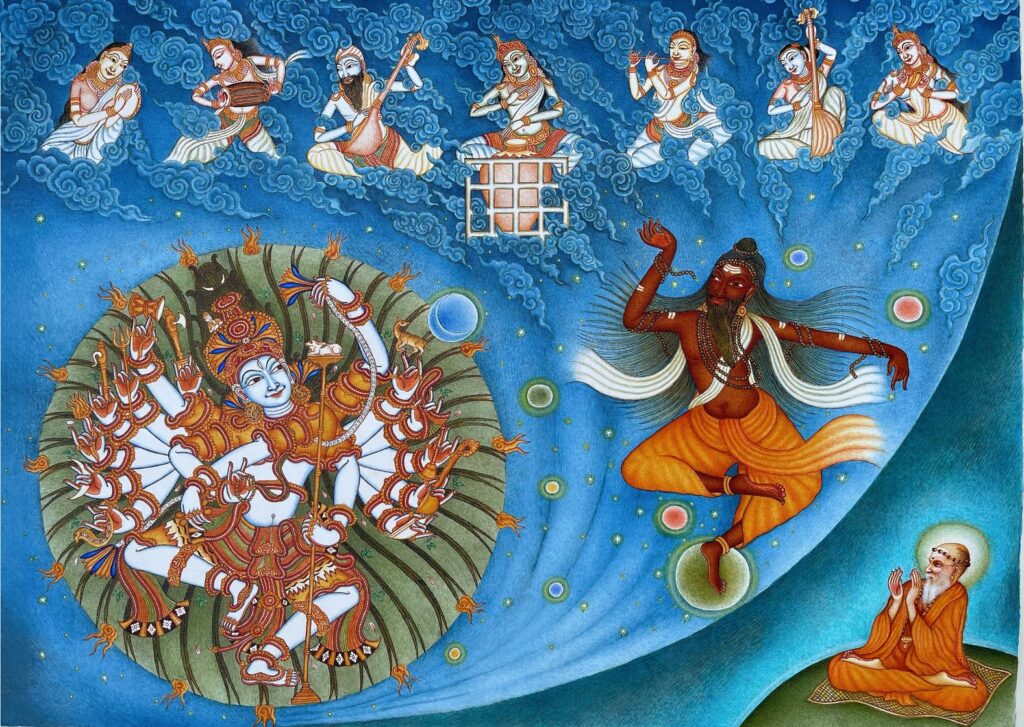
Conclusion
The book Patanjali’s Yoga Sutras provide a meticulously structured path of spiritual unfoldment, guiding the seeker from ethical discipline to the attainment of kaivalya. This progression closely parallels the monistic Saiva Siddhanta teachings of Sivaya Subramuniyaswami (Gurudeva), though important differences exist. While both emphasize ethical restraints and religious observances (yama and niyama), disciplined sadhana and progressive withdrawal from external distractions, Gurudeva’s path places greater emphasis on devotion (bhakti), the inner worlds, connections with the Deities and the grace of the guru—elements that are either de-emphasized or all but absent in Patanjali’s work. Furthermore, while the Yoga Sutras present kaivalya as an isolated state of pure awareness beyond the influence of prakriti, in Gurudeva’s Siddhanta, liberation (moksha) is not merely the end of karma but the conscious merger of the individual soul (jiva) with Siva, an aspect completely outside the scope of Patanjali’s text.
The Yoga Sutras remain a cornerstone of Hindu thought, providing a universal methodology for spiritual seekers across traditions. Patanjali’s genius lies in his laser-like focus on practice, offering a system that transcends sectarian boundaries. Whether one follows a path of devotion, self-inquiry or mystical union, the insights of the Sutras serve as a timeless guide for inner transformation.
The Nature of Liberation
While kaivalya in the Yoga Sutras is described as the yogi’s final state, other Hindu traditions, including monistic Saiva Siddhanta, extend the vision of liberation beyond purusha’s separation from prakriti. Instead of an individual awareness permanently disengaged, moksha in Saivism is the realization of one’s unity with Siva, the Absolute Reality. Advaita Vedantins and monistic Saiva Siddhantins alike will be critical of the lack of a universal absolute in the Yoga Sutras, where the final attainment is not oneness but eternal individuality—each purusha existing separately, never merging into a greater whole.
At a close reading, yoga students may be surprised by the eternal duality that is the final conclusion of their cherished yoga scripture. The path Patanjali outlined is profound and enduring, even though the final goal he presents appears to stand apart from the unitive vision embraced by the Agamas and Upanishads.
In the Beholder’s Eye
As with any arcane and profound text, the Yoga Sutras are infinitely discoverable. The dualist will see dualism, and the advaitin will see oneness, proving once again the inherent subjectivity of the cosmos. Strictly speaking, the Yoga Sutras appear to be dualistic. The evidence is strong, especially since their roots are deeply woven into Sankhya philosophy, which is undeniably dualistic.
Why then, one might ask, was this book an important bedrock text in the early life of such great nondualistic luminaries as Swami Vivekananda, Yogaswami and Gurudeva, among many others? The young Vivekananda made it the centerpiece of his yoga teachings, translating and discussing 116 sutras in his seminal book Raja Yoga, related to mind control, meditation and higher states of consciousness. Gurudeva studied the Yoga Sutras as a young man, and Yogaswami, his guru, questioned him on it during their first encounter. Perhaps they were unconvinced that Sankhya is the root philosophy underlying Rishi Patanjali’s work. Perhaps they intuited that Patanjali’s vision, while rooted in Sankhya, reached beyond it. Or perhaps they chose to overlook it. In any case, they found ways to interpret Patanjali’s kaivalya, liberation, as a merger in a divine oneness rather than a state of eternal isolation from prakriti, absolutely separate from all other souls, and from God.
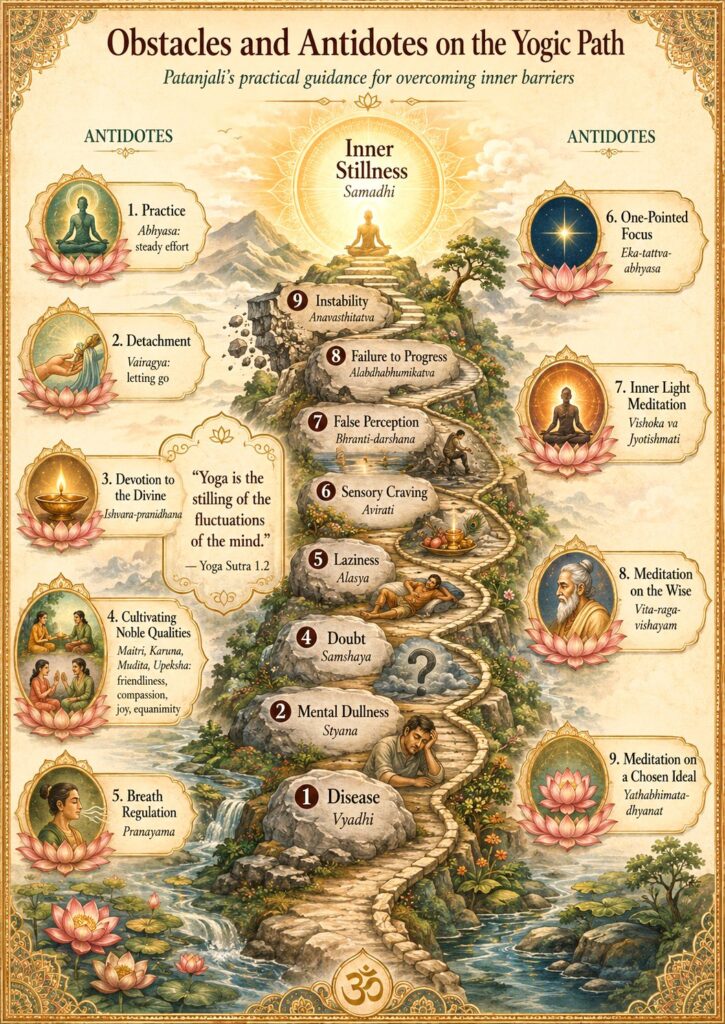
The God Factor
Patanjali’s inclusion of Ishvara in his great work sets it apart from the atheistic dualism of Sankhya, implying a yogic form of monistic theism. Commentators through history have posited that the description of Ishvara’s pure, untouched consciousness is indicative of the ultimate reality that individual souls (purushas) are inherently part of and aspire to realize their unity with.
Consider sutra 1.23, “Or, this [samadhi] is gained through devotion to Ishvara” is another gateway for monistic insight, implying that the fruits of yoga practice can indeed be achieved by the grace of God, leading to direct knowledge of reality.
What could be further from Sankhyan doctrine? The following seven sutras on God point to an overarching Divinity that is easily seen as a universal reality encompassing everything. “Ishvara is a special purusha, untouched by afflictions, actions, their results and stored impressions. In Him is the peerless source of omniscience. Unbounded by time, He is also the guru of the ancients. Aum is His signifying sound. Repeat it while contemplating its meaning. Then follows the attainment of inner consciousness and also the elimination of obstacles. The attainment of samadhi comes from surrender to Ishvara.” (1.24-1.29, 2.45)
Further, in sutra 2.44, Patanjali writes: “Self-study brings communion with one’s chosen Deity.” This inclusion of the fundamental Hindu understanding of personal divine entities, who provide guidance, solace and protection, gives credence to the idea that he regarded theism and the reality of the inner worlds as vital elements on the yoga path.
The final sutra of Patanjali’s work further opens the doors for a monistic interpretation. “Liberation occurs when the power of pure consciousness abides in its essential nature, as the gunas return to their source, now devoid of purpose for purusha.” (4.34) If one steps beyond the Sankhyan framework, the phrase “the power of pure consciousness abiding in its essential nature” suggests not isolation but transcendence—a realization of the soul’s inherent unity with ultimate reality.
Systematic Practice—Kriya Yoga
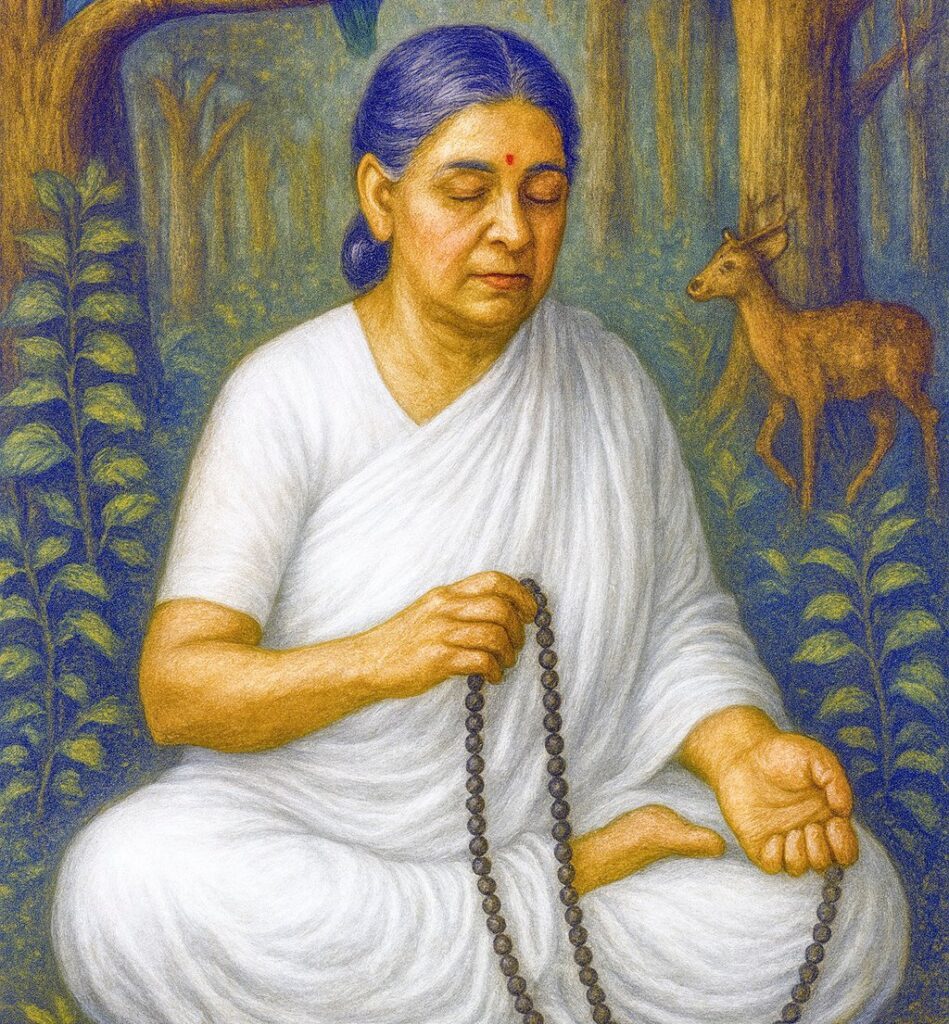
Kriya yoga, literally the “yoga of action,” is Patanjali’s practical three-fold discipline for weakening the mental afflictions that obscure clarity and perpetuate suffering. It consists of tapas, self-discipline and austerity; svadhyaya, self-study and study of scripture; and Ishvarapranidhana, devotion and surrender to God.
Patanjali states that the purpose of kriya yoga is “to bring about samadhi and attenuate the kleshas.” The kleshas are the five root afflictions: ignorance, I-am-ness, attraction, aversion and clinging to life (fear of death). To succeed in yoga, their force must be diminished, for they keep awareness entangled in worldly experience.
Tapas may suggest severe austerities, but it also includes disciplines anyone can undertake: sacrifice, silence, simplified diet, chastity, abstaining from electronic devices or undertaking pilgrimage. Svadhyaya includes reciting Om and other mantras, studying sacred writings on liberation and reflecting inwardly on one’s thoughts, actions and motivations. It joins the outer discipline of scripture and mantra with the inner work of self-purification.
Ishvarapranidhana is the practice of love, trust and surrender to the Divine. Through these three observances, kriya yoga tempers the kleshas, deepens devotion and prepares the seeker for samadhi.
God & Grace in the Sutras
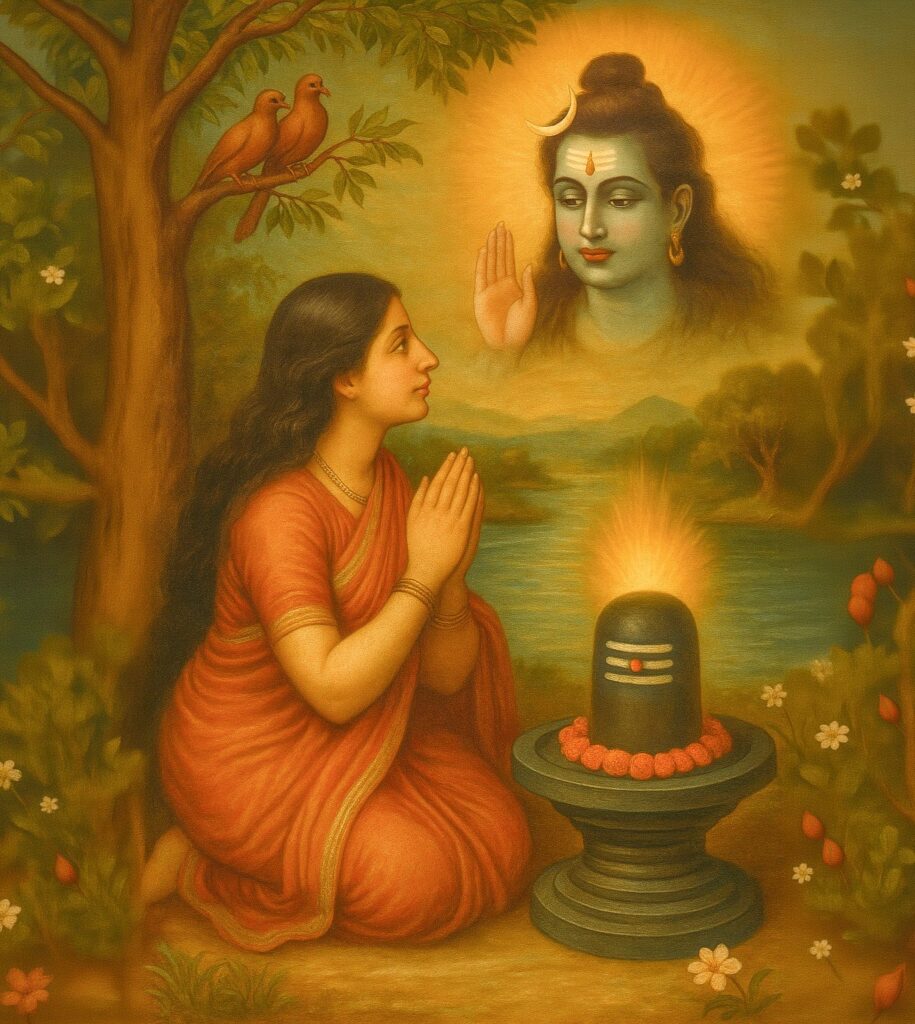
The key to understanding the devotional aspect of the Yoga Sutras is Patanjali’s description of Ishvara, God. Ishvara is “a special purusha,” unaffected by the kleshas, karma and its fruition, and by stored samskaras. In Him the seed of omniscience is unsurpassed. He is the guru of those who lived earlier, unbounded by time, and His symbol is the pranava, Aum.
Many editions of the Yoga Sutras render Ishvara in a generalized way, such as a higher power, an aspect of spirituality within each individual, or the Seer within. Here, Ishvara is understood in the traditional Yoga Darshana sense as the Personal God, who, like man, is a soul, purusha, but a unique soul who has always existed and is the source of the teachings of yoga.
Patanjali addresses what makes the attainment of samadhi near: “Samadhi is near for the intensely ardent.” Then he adds, “Or, this is gained through devotion to Ishvara.” He repeats the idea: “The attainment of samadhi comes from surrender to Ishvara.”
These verses suggest that samadhi may come not only through intense personal striving, but also through surrender to Ishvara. In that surrender, the seeker becomes receptive to divine grace, which can grant the attainment that effort alone cannot compel.
Monistic Theism
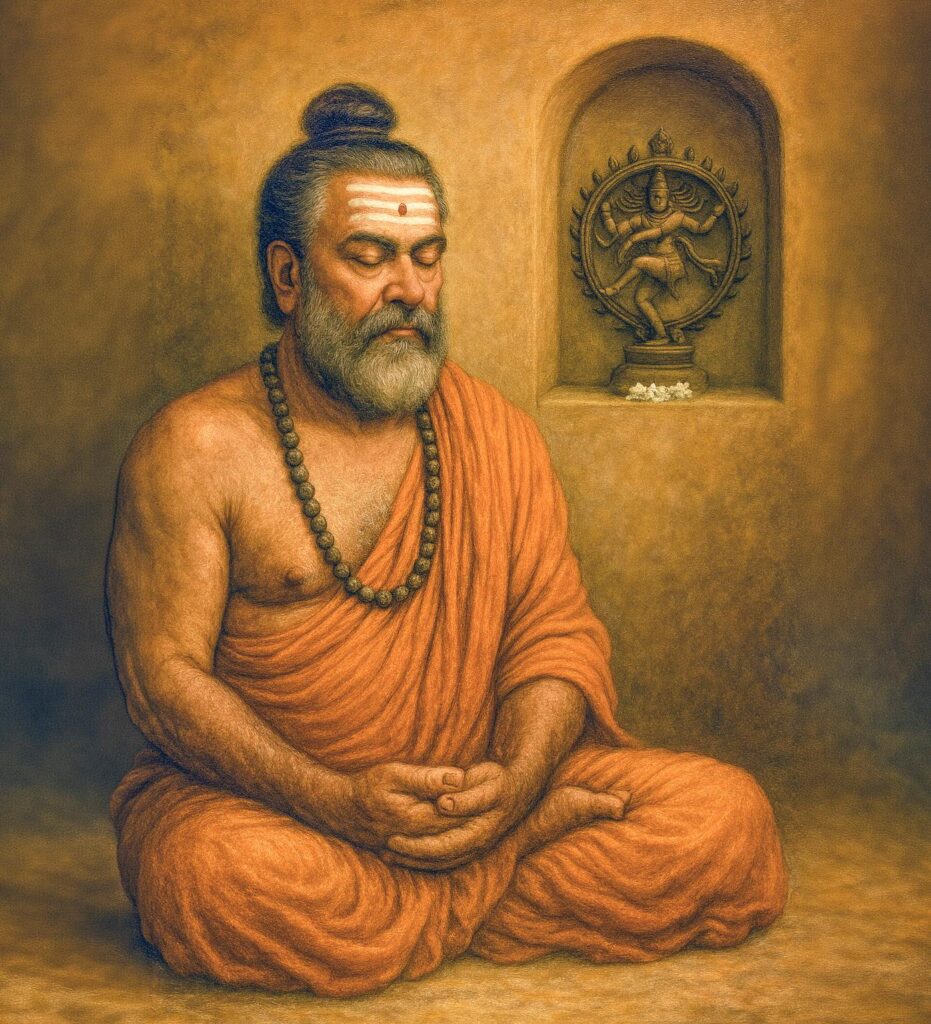
Satguru Bodhinatha Veylanswami’s reading of the Yoga Sutras sees Patanjali’s path as an expression of monistic theism, a spirituality that embraces both meditation and devotion. Patanjali teaches the restraint of mental activity so awareness can abide in its own essential nature. He also gives a vital place to Ishvara, God, through devotion, surrender and grace. Patanjali’s Sutras give disciplined inner concentration its full place, while keeping devotion to Ishvara at the heart of spiritual transformation.
This dual emphasis is central to Bodhinatha’s tradition, Suddha Saiva Siddhanta, in the lineage of Rishi Tirumular. It stresses the ultimate oneness of man and God while equally exalting heart-melting temple worship and mind-transcending yogic revelation. God is both within us and outside of us, the Creator and the creation, immanent and transcendent.
In theistic practice, we worship God and the Gods in a spirit of devotion and humble submission. In monistic practice, we meditate deeply to experience the essence of the soul, which is identical with God Siva’s essence and present throughout the universe. The most complete path requires both monism and theism.
This is why Patanjali’s Yoga Sutras speak so naturally to Bodhinatha’s Saiva Siddhanta lineage. They honor disciplined meditation, but they also affirm devotion to God as a transforming force on the path to liberation.
Clearing the Subconscious
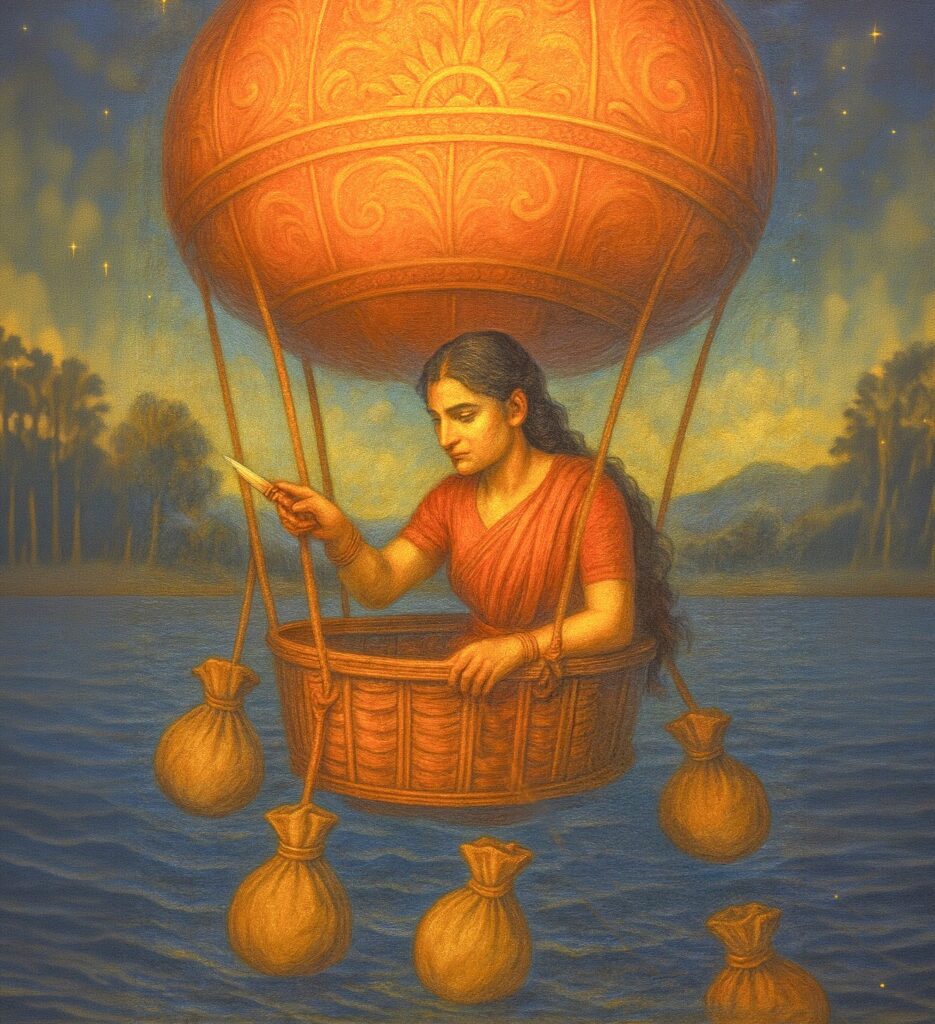
Changing the subconscious mind, a requisite for success in yoga, is a profound transformation. It can only be remolded gradually over time through sustained yogic practice. Patanjali’s Sutras explain this process through samskaras, the imprints left on the subconscious by experiences from this and previous lives. These deep-seated impressions shape our thoughts, emotions and behaviors.
Gurudeva explained, “All actions, reactions and pranic patterns from one life carry forward into the next but in condensed or seed form as tendencies.” Swami Sivananda made a similar point, saying that all samskaras lie dormant in the mind as latent activities from this and past lives.
Samskaras are not merely passive memories. They are activators, constantly propelling consciousness into action. Patanjali describes how, when restraint is employed, outward-moving samskaras are subdued and new samskaras of restraint arise in the mind. These restraint samskaras help free the mind from mental activity and allow it to remain tranquil.
A second source of transformation is mystical insight arising from deep meditation. The samskaras produced by such insight obstruct other samskaras. Through this steady remolding, externalizing and worldly tendencies are gradually replaced by internalizing and spiritual ones, preparing the seeker for deeper meditation and a contemplative life.
Foundations in Sankhya
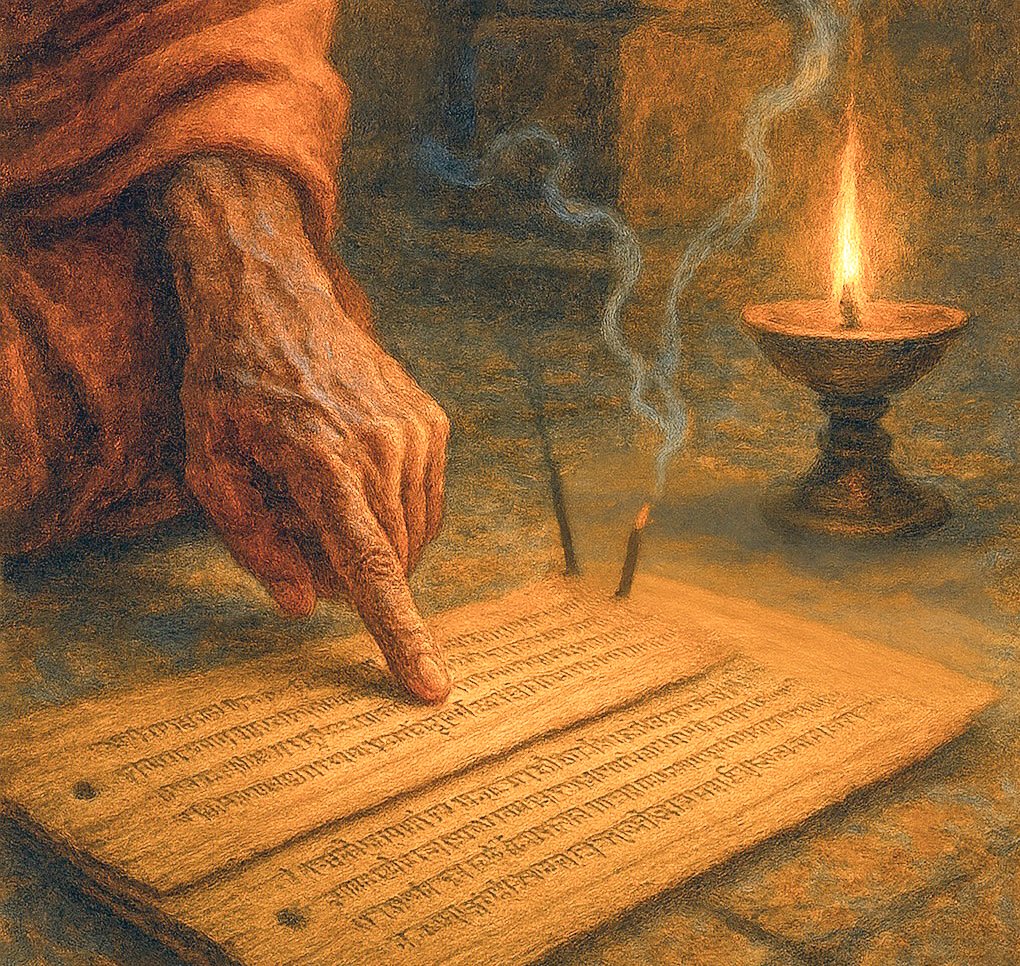
The Yoga Sutras rest on the metaphysical foundation of Sankhya, one of Hinduism’s classical systems of philosophy. Sankhya provides the framework through which Patanjali explains bondage, practice and liberation.
At the heart of Sankhya is the distinction between purusha and prakriti. Purusha is the witness-self, pure consciousness, distinct from prakriti, the evolving realm of nature and mind. Prakriti is singular and universal, functioning for the experience and liberation of all purushas. Purushas are many, each undergoing its own journey of bondage and release.
Liberation, in this system, is not a merging into universal oneness. It is the isolation of purusha from prakriti, attained when awareness ceases to identify with nature, mind and their activities. This distinction between purusha and prakriti remains fundamental throughout the Yoga Sutras.
Yoga and Sankhya share this metaphysical structure and the same goal: freeing purusha from its entanglement with prakriti. Their methods differ. Sankhya emphasizes reasoning and analysis; Yoga emphasizes meditation, concentration and the disciplined restraint of the mind.
Patanjali’s Yoga, however, adds something not found in classical Sankhya: Ishvara, God, described as a special purusha. This introduces a theistic dimension into an otherwise non-theistic philosophical framework.
Karma, Rebirth & Inner Worlds
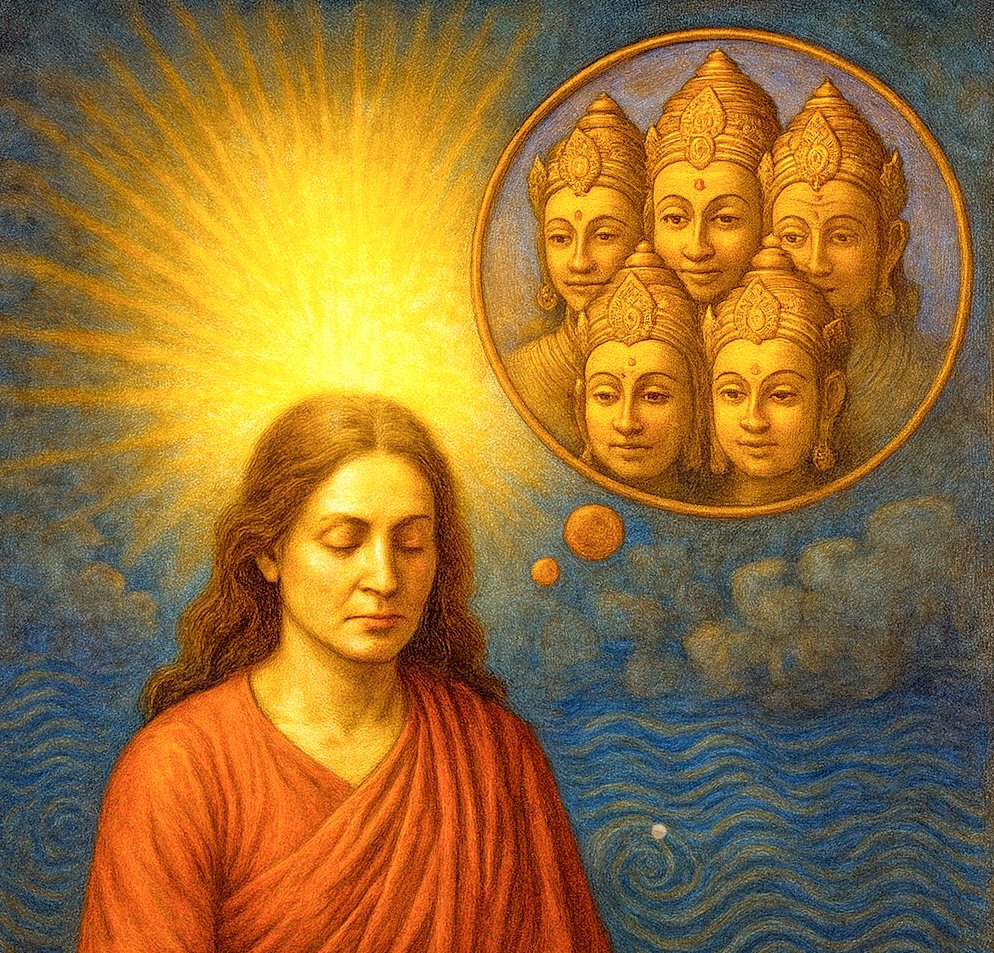
One striking aspect of the Yoga Sutras is its relative silence on the inner worlds of existence, an important part of Hindu mythology, mysticism and scripture. Unlike the Puranas, Upanishads or Saiva Agamas, Patanjali does not elaborate on the lokas, devas or subtle realms. A few sutras imply awareness of such worlds, especially in references to prakritilayas, beings absorbed in nature, and videhas, bodiless beings.
His silence does not necessarily indicate rejection. More likely, Patanjali keeps the text pragmatic, addressing only what is immediately relevant to meditation. This approach aligns with Sankhya’s cosmology, which explains how mind, senses and intellect arise from prakriti, but does not present a structured account of lokas and Deities.
At the same time, the Yoga Sutras strongly affirm karma and reincarnation. Patanjali explains how past actions generate samskaras, latent impressions, and vasanas, deep-seated tendencies, which persist across lifetimes. Sutra 4.9 states, “Because memory and samskaras are of one form, there is continuity even though separated by birth, place and time.” These impressions, together with the kleshas, shape present experience and future births.
The practice of yoga is therefore a systematic deconstruction of these karmic imprints. Through restraint, dispassion and samadhi, the seeds of past karma are gradually weakened and burned away, leading the purusha toward freedom from bondage and ultimate liberation.

Leave a Comment