|
Magazine Links
HPI Links
What Is Hinduism?

|
|
 |

Hindu Press International
|
 |
|
|
|
|
Archive for August 23rd, 2009
Sunday, August 23rd, 2009
Source: www.thaindian.com BENGALURU, INDIA, August 23, 2009: On the occasion of Ganesha Chaturthi, many devotees in different parts of the country like to pay their special obeisance to Lord Ganesha in distinct ways. In Bhubaneshwar, an artist has sculpted Lord Ganesha statues from soap for the 10-day annual festival which commenced on Sunday. “People, including kids, will come to watch them. I will teach the art free of cost to kids who are interested to learn,” said L. Eshwara Rao, an artisan. In Bangalore, a man is running a museum where he has exhibited a wide variety of Ganesha murtis for people. S.Tyagarajan is a collector of Ganesha murtis and has put on display 2,000 different ones in his museum. He started collecting Ganesha murtis after the passing of his wife, a devotee of Lord Ganesha. He says that people feel rejuvenated after visiting the museum. “I see in everybody’s face who come to see my museum happiness. And they say that there is some sort of positive energy and positive aura when they come inside the museum,” said S.Tyagarajan. Ganesha Chaturthi is one of the most important festivals of Hindus in India. On the concluding day of the festival, the murtis are carried in grand processions and immersed in rivers or seas. Lord Ganesha, is one of the most revered Gods of Hindus, and is worshipped at the beginning of every auspicious occasion. Ganesha, as the God of knowledge is described as “Vinayaka”and as remover of obstacles he is called “Vighanharta”. He is revered as the Lord of success and destroyer of evils and obstacles, besides being worshipped as the God of education, knowledge, wisdom and wealth. Lord Shiva bestowed Him a boon that people would worship him and invoke his name before undertaking any venture.
Posted in Hindu Press International | No Comments »
Sunday, August 23rd, 2009
Source: www.hindustantimes.com KATHMANDU, NEPAL, August 16, 2009: Nepal’s hallowed Pashupatinath temple, one of the holiest Hindu shrines and a Unesco world heritage site, is once again the center of controversy. When the Maoist government was in power, it appointed Bishnu Dahal, a Nepali, to serve as chief priest, contrary to the time-honored tradition of employing only Indian priests from the orthodox south Indian states of Kerala, Karnataka, Andhra Pradesh and Tamil Nadu. The move triggered widespread protests. Facing worldwide outrage and a Supreme Court decision, the Maoist government removed Dahal and the Indian priests were reinstated. With the fall of the Maoist government, the Pashupatinath Area Development Trust now contacted four Indian peeths - sacred monasteries - in Karnataka, Orissa, Gujarat and Uttarakhand. The monasteries will shortlist suitable candidates, who will be screened and interviewed by PADT, which has also decided to increase the number of priests at the Pashupatinath temple to allow for occasional illness or absences. This time, it is the Maoist camp that is protesting. Dahal’s Jayatu Sanskritam Mahasabha organization, supported by the Sanskiritik Nawajagaran Andolan and the Maoists, has announced a new protest to block the appointments, but PADT has remained unmoved.
Posted in Hindu Press International | No Comments »
Sunday, August 23rd, 2009
Source: www.nationaldailyngr.com NIGERIA, May 21, 2009: For four years, the Indian Community in Nigeria has been providing free eye care to the public–not only examinations, but prescription glasses and even surgery. During the three-day “Save the Sight, Spread the Light Free Eye Screening and Operation Camp” starting onFebruary 18, a team of eye specialists from India screened over 5,000 Nigerians from all over the country for various eye defects, including cataracts, glaucoma, and partial blindness. Prescription glasses were provided to 4,000, and 1,200 surgical eye operations were conducted free of charge.
Posted in Hindu Press International | No Comments »
Sunday, August 23rd, 2009
Source: news.bbc.co.uk UNITED KINGDOM, August 12, 2009: A new study suggests that people from different cultures read facial expressions differently. In the research carried out by a team from Glasgow University, East Asian observers found it more difficult to distinguish some facial expressions. The work published in Current Biology journal challenges the idea facial expressions are universally understood. The researchers say the confusion arises because people from different cultural groups observe different parts of the face when interpreting expression. East Asians participants tended to focus on the eyes of the other person, while Western subjects took in the whole face, including the eyes and the mouth. Even the famous emoticons of the internet reflect this. The image for happy in the West is  while in most of Asia it is (^_^) evoking the slight closing of the eyes when someone laughs. The emoticon for surprise is also evocative of the cultural difference: it is  in the West and (o.o) in the East.
Posted in Hindu Press International | No Comments »
Sunday, August 23rd, 2009
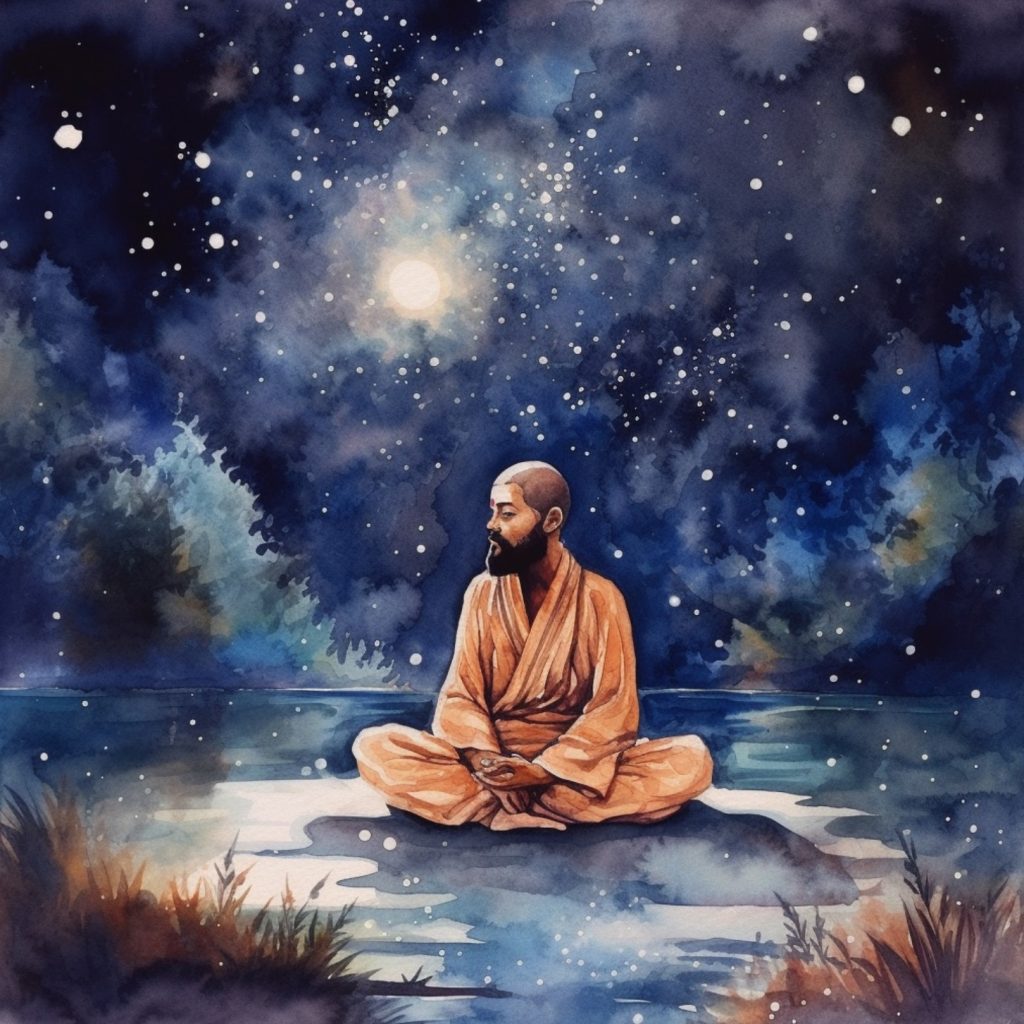
Source: www.hinduismtoday.com Seek the Infinite, for that alone is Joy unlimited, imperishable, unfailing, self-sustaining, unconditioned, timeless. When you have this joy, human life becomes a paradise; the light, the grace, the power, the perfections of that which is highest in your inner consciousness, appear in your everyday life. Swami Omkarananda
Posted in Hindu Press International | No Comments »
|
 |
|
|
|
|
|
- - - - - - - - -
Copyright © 2010 Himalayan Academy. All rights reserved.
|
 |