
Help the Elderly to Pilgrimage

With special arrangements, our aged parents can focus on darshan, discipline and devotion
By Kumudha Venkatesan
While we were visiting the Sankat Mochan Hanuman Mandir in Kashi, a man helped my mother navigate a steep step. When I thanked him, he gestured toward my mother and mother-in-law and said, Thank you for showing Bhagavan to elders. That moment captured the spirit of our pilgrimage: enabling aged parents to receive darshan at some of Hinduisms most sacred sites.
In July 2025, our family undertook a four-day pilgrimage to Ayodhya, Prayagraj and Kashi with my mother and mother-in-law. The intent was simple and deliberate—to make darshan possible for elders who have lived lives grounded in dharma and devotion. With careful planning and support, the journey proved not only feasible but deeply meaningful.
Our itinerary was arranged through a travel agency, which handled flights, hotels and ground transport. A knowledgeable driver-guide accompanied us from Ayodhya to Kashi, ensuring minimal walking, arranging wheelchairs where needed and guiding us through temple procedures. This support was essential to making the journey comfortable and dignified for our elders.
Ayodhya was our first stop. The newly built Ram Lalla Temple, resonant with chants of Jai Sri Ram, left a strong impression through its scale, architecture and atmosphere. Despite long queues, wheelchair access allowed timely darshan. Photography was restricted, reinforcing the reminder that such personal experiences are meant to be carried within rather than captured externally.
From Ayodhya, we traveled to Prayagraj, to the Triveni Sangam—the confluence of the Ganga, Yamuna and Saraswati rivers. A boat journey allowed my mother and mother-in-law to offer Ganga arati, while my husband performed tarpan in remembrance of ancestors. Along the route to Kashi, we encountered many Sawan pilgrims walking barefoot with Ganga water, chanting Har Har Mahadev, a visible expression of collective faith during Sivas sacred month.
In Kashi, my mother and mother-in-law received darshan of the Kashi Vishwanath Lingam and blessings from the priest, including sacred vibhuti. The citys narrow lanes limited wheelchair access, but we were able to visit several important temples, each offering a quiet and grounding experience of Siva worship.
Since returning, my mother and mother-in-law have deepened their daily practices of japa, prayer and visualization. Simple adaptations—mental chanting, shorter rituals and visual remembrance—have made these practices accessible despite age-related limitations. Their focus remains steady on divine names and forms, particularly Ram Lalla and Kashi Vishwanath.
This journey demonstrated that with thoughtful planning, patience and assistance, elderly devotees can visit pilgrimage sites safely and meaningfully. Wheelchair access, organized temple systems and respectful staff made a significant difference. For families considering similar journeys, working with an experienced travel agency is strongly recommended.
Our pilgrimage reinforced a central lesson of Hindu practice: surrender combined with effort makes even demanding undertakings possible. Beyond personal fulfillment, the journey inspired relatives and friends to consider taking their own aged parents and grandparents on pilgrimage. For my mother and mother-in-law, this was among the most fulfilling pilgrimages of their lives—centered on darshan, discipline and quiet devotion, rather than physical endurance.
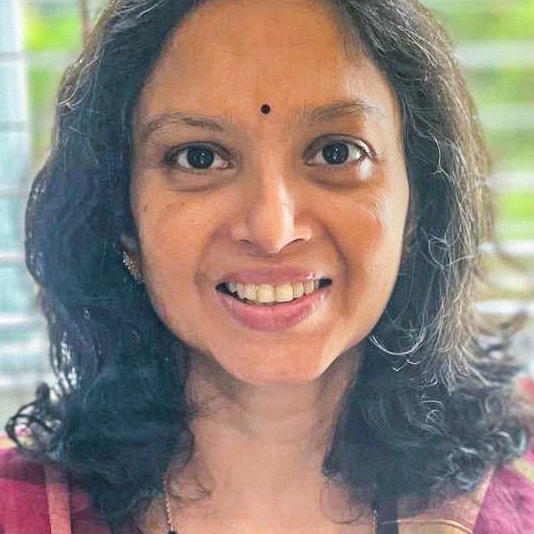
Kumudha Venkatesan, a wife and mother based in Atlanta, Georgia, is passionate about Hinduism and spirituality. Contact: kumudha_1998@yahoo.com
Leave a Comment