
The Writer Who Listened to Silence
How this English author’s best-selling books introduced millions across the globe to the depth of India’s spiritual wisdom
By Pradeep Srivastava, California
Im a just the facts, maam kind of reader—someone who routinely skips advertisements in newspapers and magazines. But in what felt like a moment of divine intervention, I found myself unable to turn away from a full-page ad by Larson Publications in the July/August/September 2025 issue of Hinduism Today. It opened with a striking quote from Ramana Maharshi: Paul Brunton is one of my eyes. My Shakti [spiritual power] is working through him. Follow him closely.
As a follower of Advaita Vedanta—as taught by Maharshi and other sages—I took this statement seriously and decided to explore Bruntons work in depth. Bruntons philosophy rests on the idea that reality is fundamentally mental. He developed a system he called Mentalism, which holds that space, time and matter—including the body—are appearances within consciousness. He urged seekers to look beyond yogic techniques and mystical experiences, favoring instead a rational inquiry into the nature of perception and selfhood. The goal: direct realization of what he termed the Overself, a higher, universal consciousness.
What impressed me was Bruntons confidence in communicating profound truths without dogma. Though he rarely quoted scriptures, his writing evoked the same stillness Id found in the Upanishads and the mahavakyas (great sayings), such as tat tvam asi, you are that.
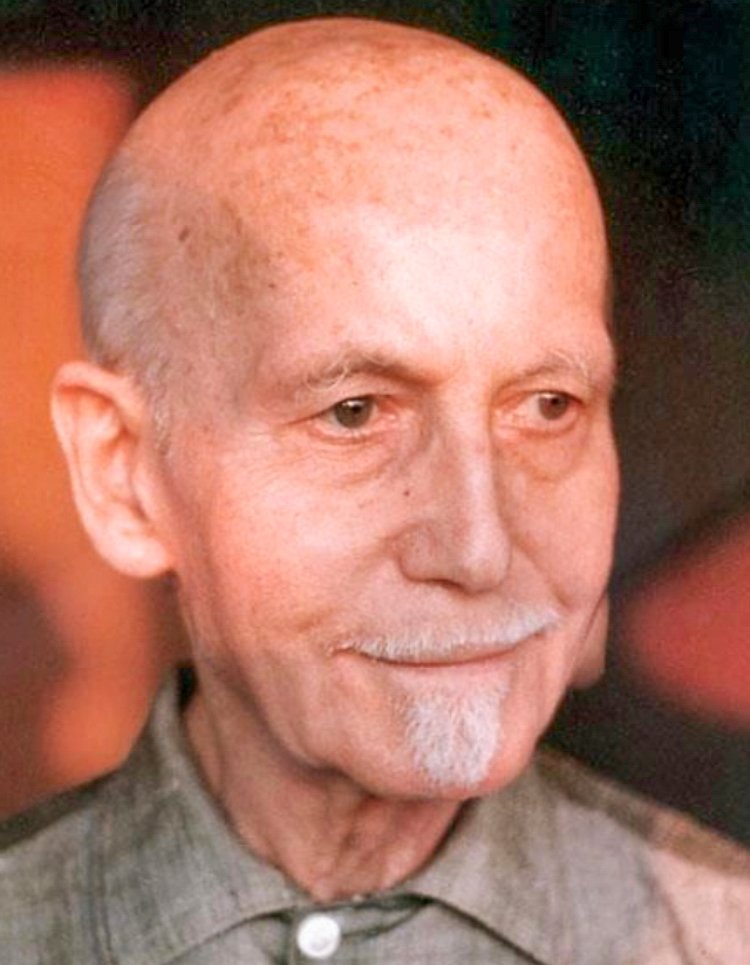
Deeply advaitic at heart, Brunton reframed ancient wisdom in Western philosophical terms—building a bridge between inner experience and modern understanding.
Paul Brunton was born Raphael Hurst in 1898 in London at a time when the West was beginning to awaken to the philosophies of the East. As a young man, he lived the life of a journalist and editor, immersed in the intellectual and literary currents of his time. But beneath this professional persona stirred a deeper longing—a thirst for inner peace and truth that Western culture seemed ill-equipped to quench.
Bruntons personal crisis of meaning mirrored that of an entire generation recovering from the trauma of World War I. Disillusioned with materialism and the dogmatism of organized religion, he, like many others, turned toward the East for answers. But unlike others, he didnt stop at the exotic or the superficial. He wanted the real thing.
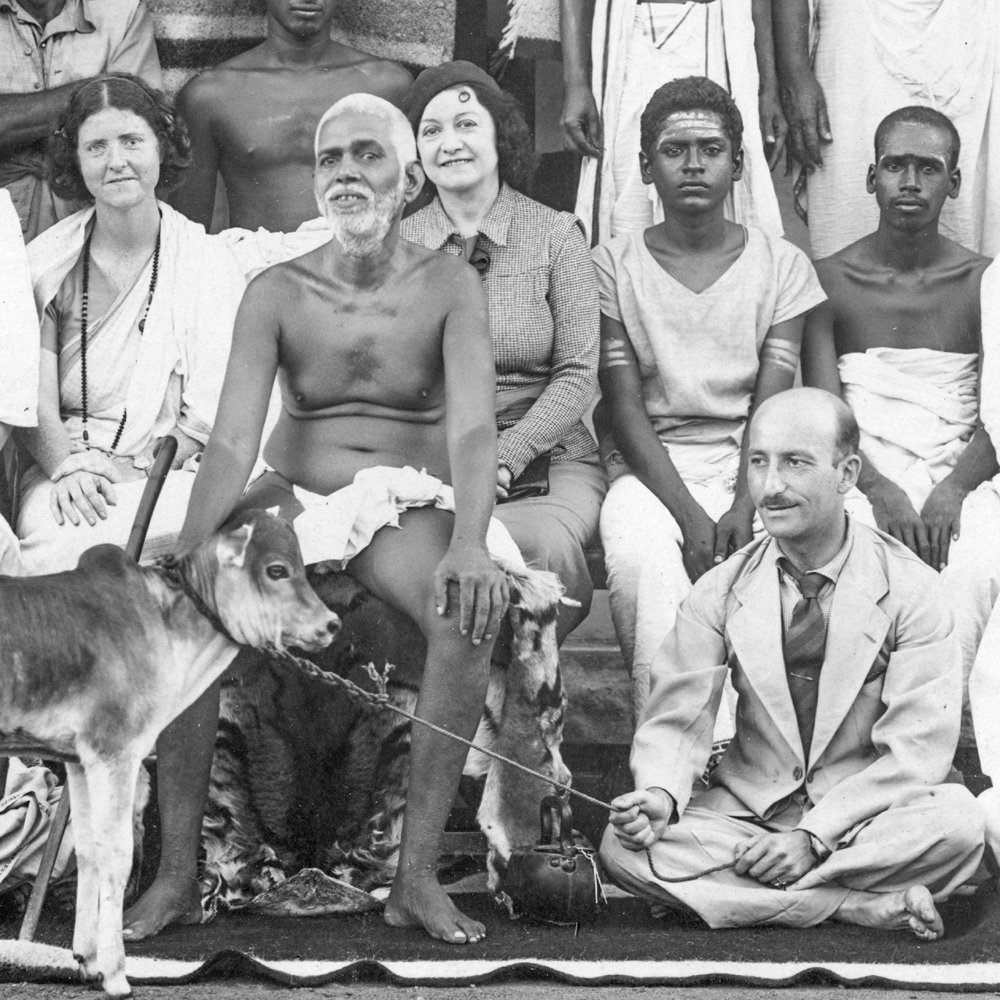
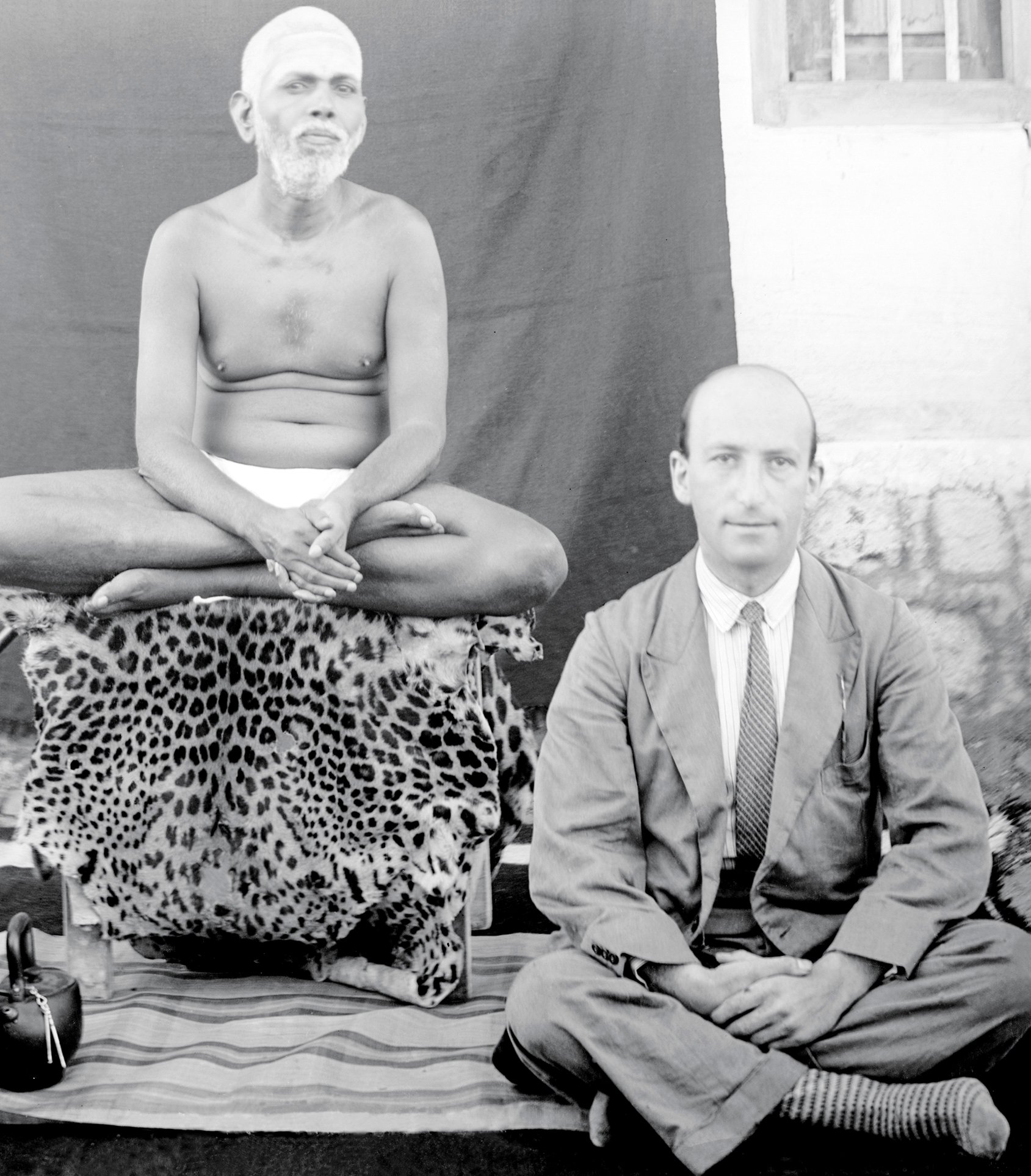
In the early 1930s, Brunton undertook a journey through India and Egypt, meeting mystics, yogis, fakirs and monks. But the defining moment of his spiritual quest came when he visited the ashram of Ramana Maharshi at the foot of the sacred Arunachala hill in South India.
There, he encountered not just a man, but a presence—one who answered his questions without uttering words. Brunton later described this meeting as a pivotal event in his life. In Maharshis silent gaze, he experienced a kind of inner disarmament—a melting of the egoic self into something timeless. This was not religious conversion, but spiritual recognition.

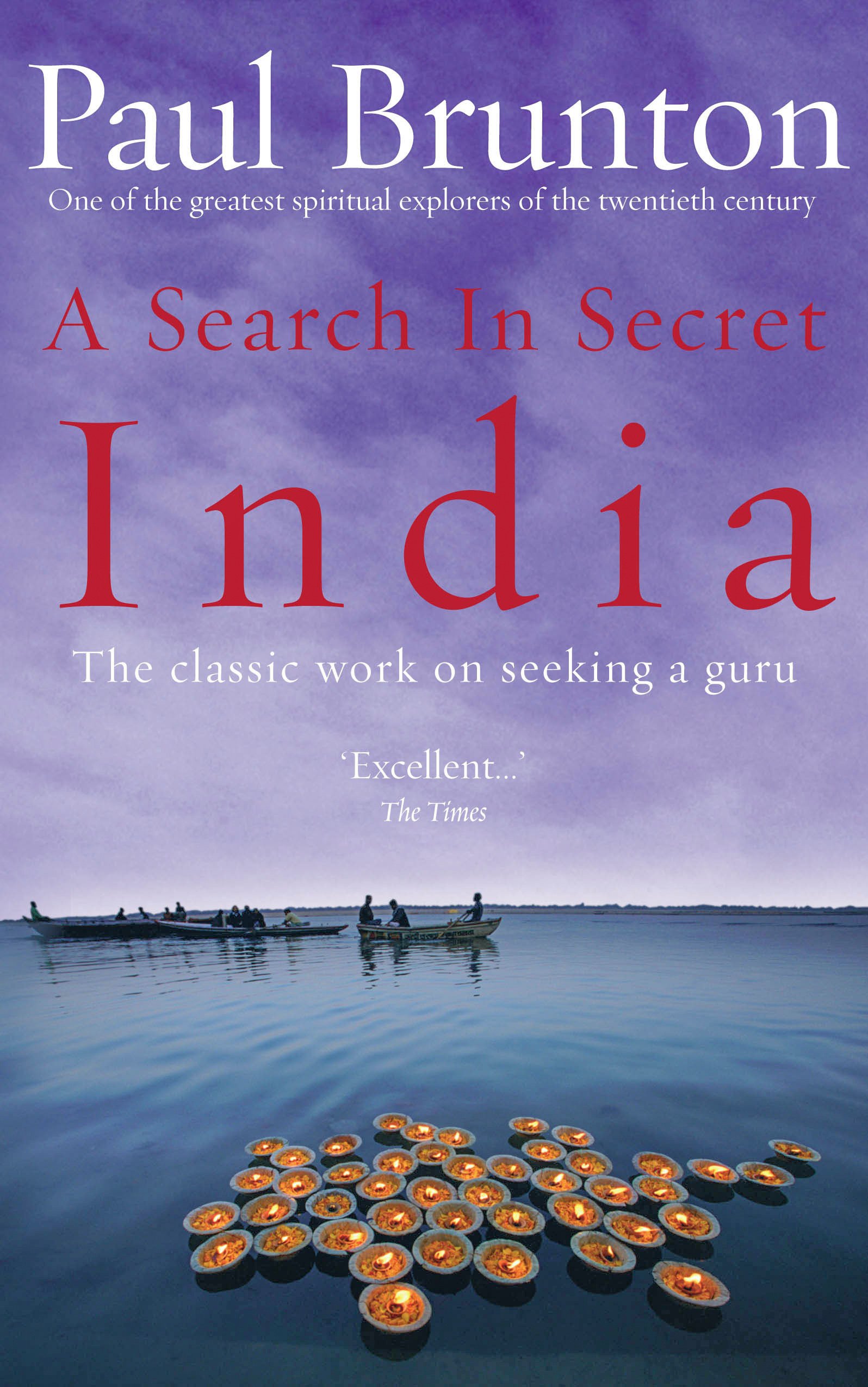
He chronicled these encounters in his ground-breaking book A Search in Secret India (1934), which became an international success and was translated into two dozen languages. More importantly, the book introduced Ramana Maharshi and Indian non-dual philosophy to the Western world, creating a spiritual bridge that continues to stand.
Unlike Orientalists who analyzed India from the outside, Brunton allowed himself to be changed by what he encountered. He approached Indian spirituality not as a cultural artifact but as a living truth. His sincerity, independence and discernment enabled him to honor the tradition without becoming its blind follower.
He saw through charlatans, questioned rituals and remained grounded in reason—yet he never let cynicism obscure the spiritual grandeur he discovered in India. His life is proof that the eternal truths of Advaita Vedanta do not belong to geography; they belong to consciousness.
Among Paul Bruntons most original and intellectually powerful contributions is his doctrine of Mentalism. Mentalism bridges the empirical skepticism of modern thought with the mystical depth of Advaita Vedanta.
According to Mentalism, what we perceive as the external world is not a self-existing, material reality but a projection within consciousness. The world appears solid and objective, but its true essence lies in mind. Just as dreams appear vividly real during sleep but dissolve upon waking, so too does the waking world emerge within and dissolve into the awareness that beholds it.
Brunton is careful to differentiate this view from solipsism. He does not claim, as solipsism does, that the world is a projection of the individual mind. Rather, he posits that the universe arises within a universal consciousness—a shared mind or substratum within which all forms appear and disappear. In this framework, the physical world is not denied but recontextualized as an idea in consciousness.
This position echoes Shankaras vivarta vada—the idea of illusory superimposition. According to Advaita Vedanta, nama-rupa (name and form) are transient appearances upon the unchanging ground of Brahman. Brunton translates this insight into accessible, secular language: We do not see the world as it is; we see it as the mind presents it to us.
Mentalism serves a dual function. Intellectually, it invites seekers to question the assumption that the world is solid, external and absolute. Spiritually, it nudges them inward toward the recognition that consciousness is primary.
Bruntons approach draws from both Eastern scriptures and Western idealists like Bishop Berkeley, Immanuel Kant and Arthur Schopenhauer. He synthesizes these perspectives to challenge materialism not through dogma, but through inquiry.
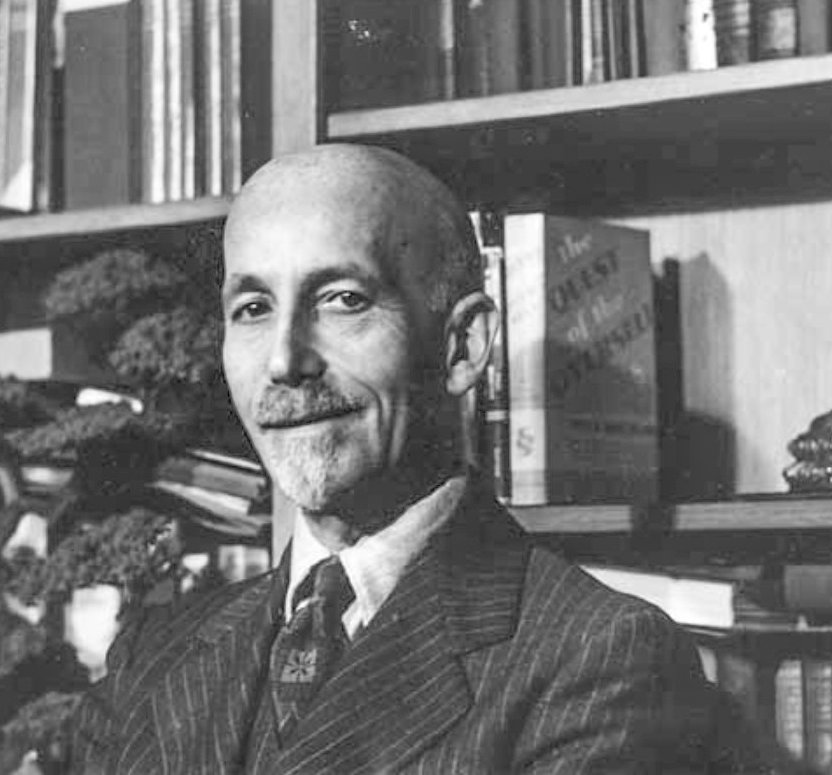
Paul Brunton with Ramana Maharshi likely in the 1930s; cover of A Search in Secret India; Paul Brunton with Ramana Maharshi likely in the 1930s; cover of A Search in Secret India; Paul Brunton with Ramana Maharshi likely in the 1930s; cover of A Search in Secret India; Paul Brunton with Ramana Maharshi likely in the 1930s; cover of A Search in Secret India; In daily life, Mentalism encourages humility. Our perceptions are not infallible. Our world views are constructs. And in this humility, a door opens to something deeper—not beyond the world, but at its silent center.
If Mentalism is the intellectual scaffold of Bruntons philosophy, then the Overself is its sacred heart. The Overself, as Brunton defines it, is the eternal, pure awareness that underlies and transcends the thinking mind. It is not an abstraction, not a psychological state and certainly not the ego. It is what remains when all that is transient and personal is peeled away.
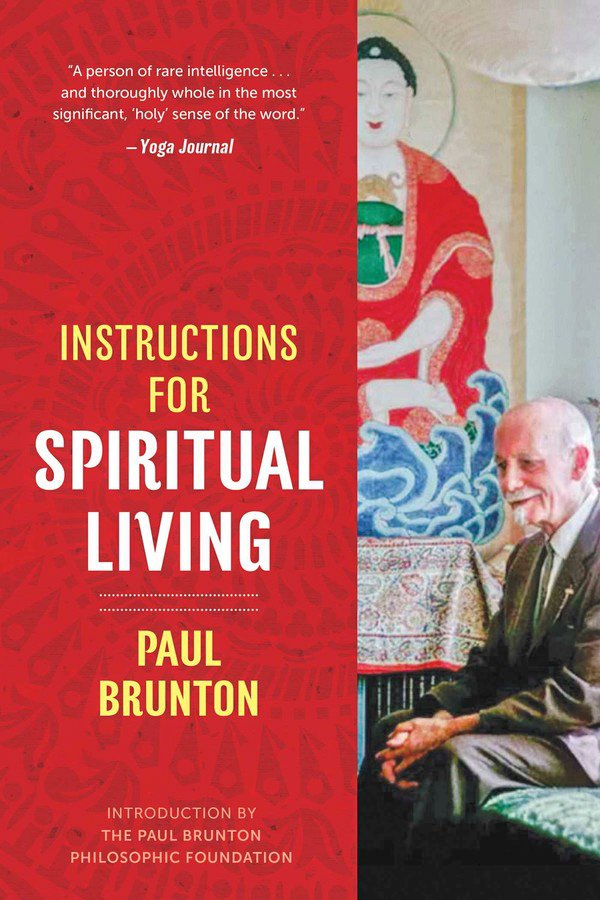
The Overself is his Western term for Atman, which in Advaita is not different from Brahman. Bruntons radical yet profoundly Vedantic claim is that this Overself is not distant or divine in a mythological sense—it is the core of who we are.
He writes, The Overself is not an object to be grasped, not even by thought. It is the unchanging witness of all changes. This mirrors the teachings of the Upanishads, where the Self is described as the seer of seeing, the hearer of hearing.
Brunton emphasized that realization of the Overself is not the result of intellectual acrobatics or emotional highs. It comes through a quieting of the mind and a radical sincerity of purpose. His rejection of both materialism and mysticism reflects his belief that true spirituality must be experiential and verifiable—not based on blind faith, nor on fleeting visions. This echoes the spirit of Ramana Maharshis path of atma-vichara or Self-inquiry. Both masters insisted that the ultimate Truth must be realized inwardly, in silence, through direct knowing.
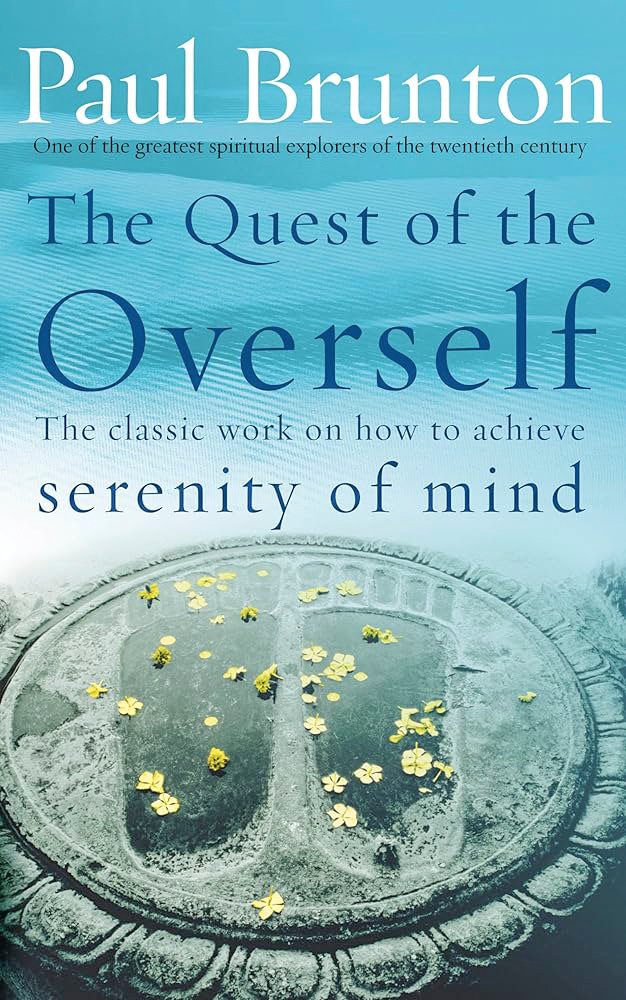
To Brunton, the Overself is not something to be created or attained. It is already present, veiled only by the minds restlessness. His writings repeatedly stress that the Overself is not mine or yours, but the same in all. This makes his message universal and egalitarian—a spiritual democracy of being. In a world fractured by identities and ideologies, Bruntons Overself points us to that which is always already whole.
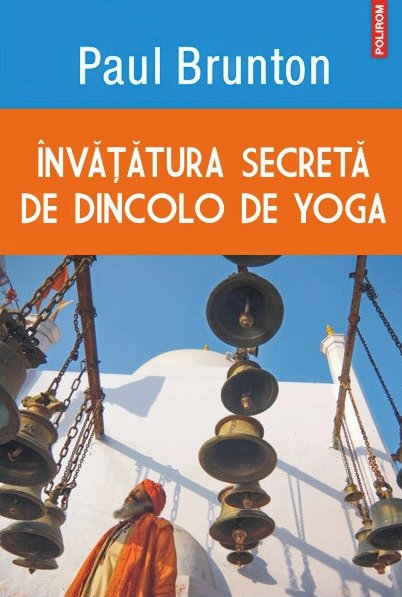
Bruntons book The Hidden Teaching Beyond Yoga was a bold title for its time—and even now. Why beyond yoga? Was he dismissing the ancient science of inner transformation? On the contrary, Brunton had great respect for yogic disciplines, especially those that developed concentration, breath control and moral clarity. However, he saw that many spiritual aspirants—both Eastern and Western—stopped short at yogas preliminary stages. They became enamored with techniques, visions, energies and sometimes even psychic powers, mistaking these for enlightenment.
In Bruntons view, yoga is a means, not an end. The real teaching lies beyond postures and experiences. It lies in the questioning mind, in the silent stillness where the ego dies and the Self shines.
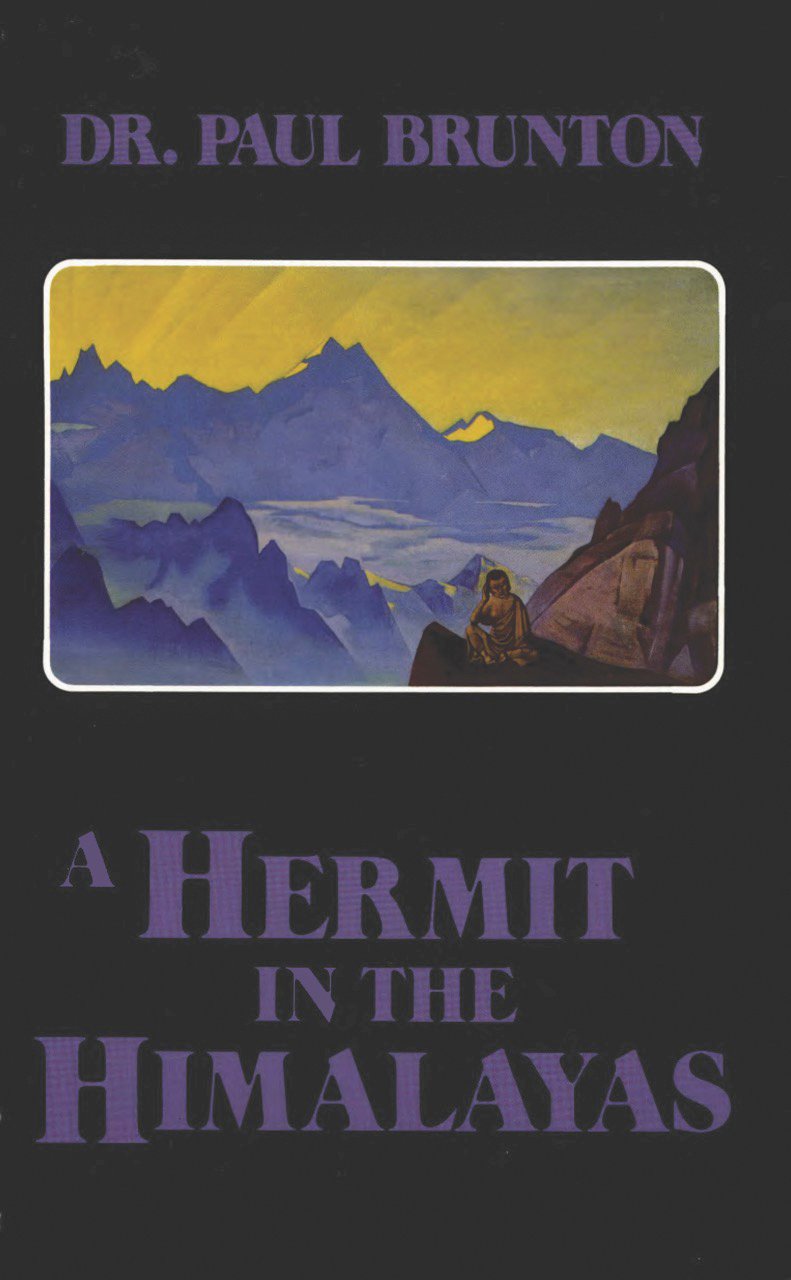
His spiritual path had three phases: philosophy, mysticism and realization. First, one must think clearly and deeply. Then, one must feel deeply and surrender the ego. Finally, one must let go of both thought and feeling to abide in pure awareness. This mirrors the classical Advaitic progression from shravanam (hearing), to mananam (reflecting), to nididhyasanam (meditative absorption).
Bruntons originality lay in offering this path in a structure intelligible to modern readers, especially those steeped in rationalism. His emphasis on self-observation—careful examination of thoughts, motives and attachments—is a practice rarely emphasized in mainstream yoga but crucial for transcending the ego. By seeing the ego in action, one dis-identifies from it and uncovers the quiet, unconditioned witness—the Overself.
Paul Bruntons influence is more widespread than many realize. His books have sold in the millions and his early writings played a major role in the spiritual awakening of the West. In introducing Ramana Maharshi to global audiences, he forever changed the landscape of comparative spirituality.
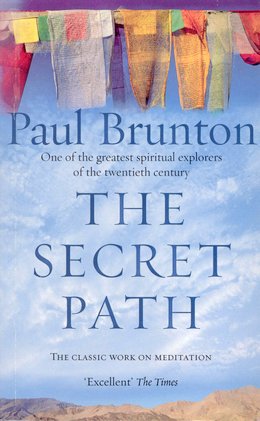
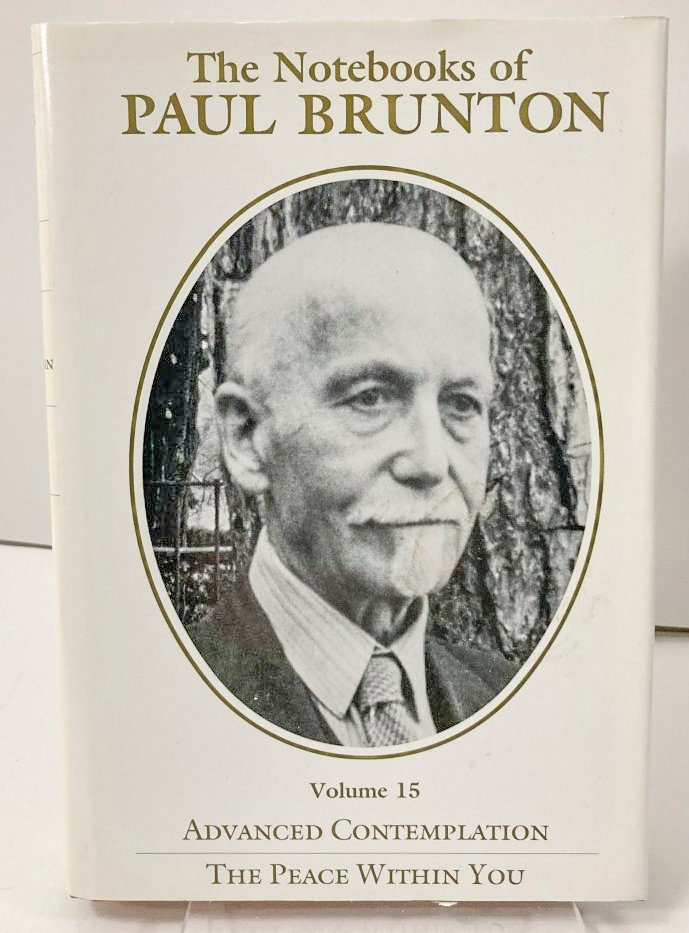
His Notebooks—published after his passing in 1981—span over 7,000 pages, reflecting decades of meticulous inner and outer inquiry. They are not just musings but maps—guiding readers through metaphysics, meditation, ethics and realization.
The Paul Brunton Philosophic Foundation (www.paulbrunton.org) continues his mission, curating his teachings and making them accessible to modern readers worldwide in multiple languages. What makes Brunton especially relevant today is his refusal to create a spiritual cult, align with any dogma or claim to be a guru. In a world overwhelmed by superficial spirituality and commodified enlightenment, his voice is refreshingly sober, humble and precise. He addressed educated readers who may have dismissed religion but still longed for meaning. To them, he offered a path of Self-inquiry without dogma, of silence without escapism and of truth without pretense.
For Hindus, Bruntons writings are a mirror. They show how the essence of Advaita Vedanta—once confined to the Sanskrit commentaries of Shankara or the verses of the Upanishads—can now speak across cultures without losing its soul. He did not dilute Vedanta; he distilled it. He did not bypass tradition; he rendered it transparent.
Paul Brunton did not come to replace Indias sages or reinterpret Hinduism for a foreign audience. He came as a listener, a recorder and ultimately a transformer—not of the truths he found, but of the language in which they could be shared. He rarely used religious language. Yet, his work has initiated thousands into inner stillness, into the silence where Aham Brahmasmi becomes more than a phrase—it becomes their truth.
The Overself, he reminded us, is not attained. It is realized. And in realizing it, we transcend not just ego and suffering—but the illusion of separation that divides East from West, Hindu from non-Hindu, seeker from sought.
Comments (3)
This is a splendid article, quite the best so far published, with a deep appreciation of both his philosophy and of the Indian environment in which he developed it.
Me sinto na obrigação de realizar meu eu nas fontes de Brunton, gratidão, este foi meu primeiro contato com este autor, quero estar próximo.
Excellent article, thank you!